Catalog
Projects
A selection of ensemble, installation, and interdisciplinary projects
Live Projects
This is Classical Music – Hong Kong Sinfonietta
Description
Line-Up
Links & Media
Schiefel / Daniel Chu Duo

© Photo: Hong Kong Sinfonietta
This duo was formed on invitation of the Hong Kong Sinfonietta. Michael Schiefel and Hong Kong pianist Daniel Chu had not worked together before and met directly in Hong Kong for a series of concerts.
The performances are entirely based on free improvisation. There is no repertoire and no rehearsal process — the music emerges in the moment from listening and interaction. Each concert is shaped by the specific situation, the space and the encounter between the two musicians.
Daniel Chu’s background, spanning jazz, classical music, pop production and ethnomusicology, brings a wide musical vocabulary into the duo, while Schiefel’s vocal work expands the sonic field beyond conventional roles. The result is an open, exploratory format that relies on trust, immediacy and a shared willingness to take risks.
Voice – Michael Schiefel
Piano – Daniel Chu
Links & Media
Julia Hülsmann Octet
© Photo: Sally Lazic
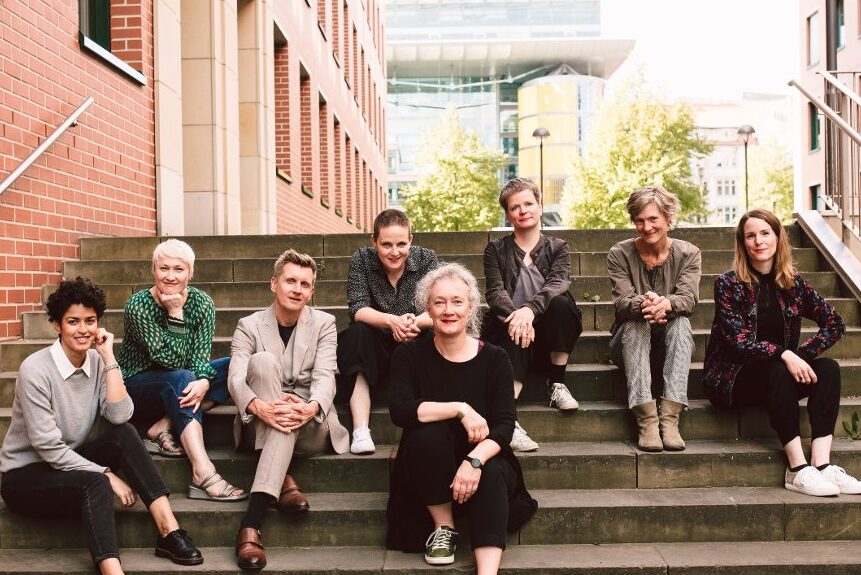
The Julia Hülsmann Octet expands Hülsmann’s compositional language into a chamber-jazz setting combining a classical string trio with a jazz rhythm section and three voices. The ensemble brings together melodic clarity, narrative songwriting, and open ensemble interaction, creating a sound that moves between chamber transparency and improvisational openness. The project is documented on the album While I Was Away. Following the departure of Aline Frazão in early 2026, the vocal lineup now includes Marie Séférian, continuing the ensemble’s vocal dimension in a renewed constellation.
(->Julia Hülsmann Octet webpage)
voice — Aline Frazão (until 2026)
voice — Live Maria Roggen
voice — Michael Schiefel
voice — Marie Séférian (since 2026)
violin — Héloïse Lefebvre
cello — Susanne Paul
piano — Julia Hülsmann
double bass — Eva Kruse
drums — Eva Klesse
Recordings:
Eva Klesse Quartett – Expanded Line-Up
© Photo: Sally Lazic
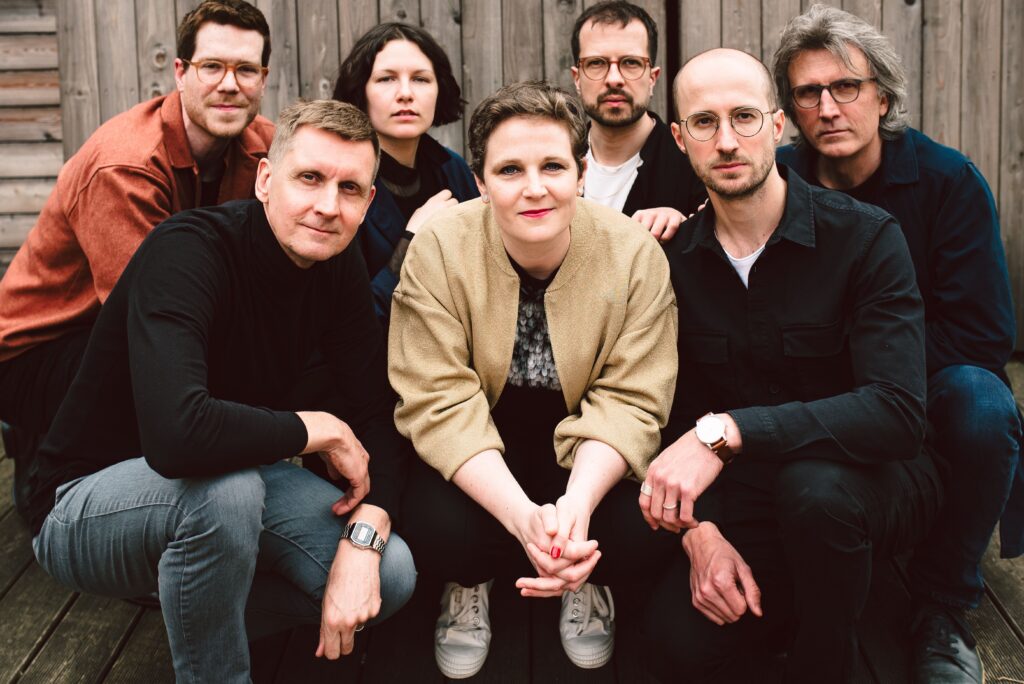
For the program STIMMEN, the Eva Klesse Quartett expanded its musical language into a form combining instrumental writing, text, electronics, and additional voices. Developed during the pandemic years, the project reflects on the idea of voice — who is heard, whose stories persist, and how music can carry memory and experience forward. Together with guest performers Zuza Jasinska, Michael Schiefel, and sound designer Philipp Rumsch, the ensemble created a layered concert format in which composed material, spoken word, and sonic textures interact within the quartet’s narrative approach. The project is documented on the album STIMMEN.
(->Eva Klesse Stimmen webpage)
Bass – Marc Muellbauer
Drums – Eva Klesse
Piano – Philip Frischkorn
Saxophone – Evgeny Ring
Sound Design, Electronics – Philipp Rumsch
Vocals – Michael Schiefel, Zuza Jasinska
Recordings:
3 grams
© Photo: Laila Schubert
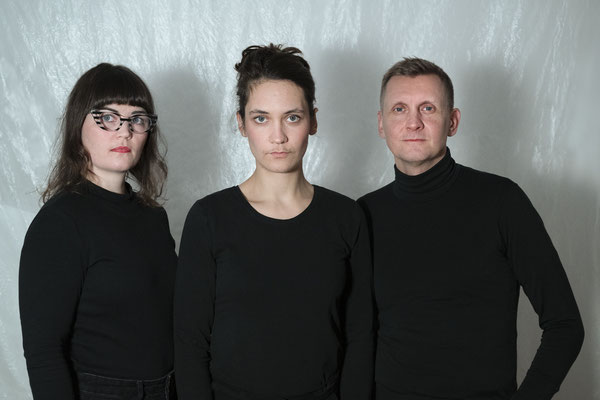
3 grams is a trio initiated by saxophonist and composer Luise Volkmann, bringing together three “breathing instruments” — voice and two wind-based timbral approaches — in a chamber setting focused on shared tonal space and collective sound. The ensemble develops new repertoire that moves between song-based structures, contemporary composition, and improvisational textures, exploring the expressive proximity of the voices within a compact acoustic field. The trio premiered at the Münster Jazz Festival in 2023 and has since appeared at venues in Germany and Scandinavia.
(->3grams webpage)
saxophone — Luise Volkmann
voice — Casey Moir
voice — Michael Schiefel
Michael Schiefel’s Istanbul Quartet
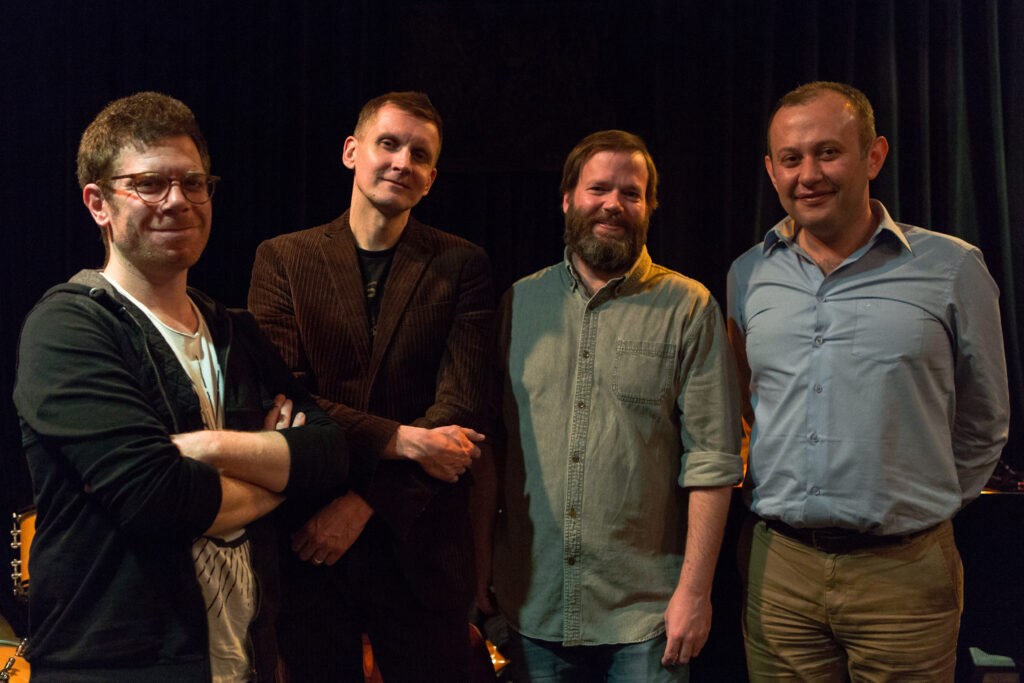
Michael Schiefel’s Istanbul Quartet emerged from his six-month residency at the Tarabya Cultural Academy in Istanbul. During this period he composed a repertoire for voice and piano trio, developed in close collaboration with pianist Kaan Bıyıkoğlu, bassist Matt Hall, and drummer Ekin Cengizkan. After Hall left Istanbul, the quartet continued working with bassist Apostolos Sideris. The project brings together original compositions shaped by impressions of the city — from the Bosphorus and its dolphins to tea gardens, street life, and everyday encounters — translating these experiences into a lyrical, rhythmically flexible quartet sound rooted in contemporary jazz.
voice — Michael Schiefel
piano — Kaan Bıyıkoğlu
drums — Ekin Cengizkan
bass — Matt Hall (initial line-up)
bass — Apostolos Sideris (later line-up)
Schiefel / David Friedman Duo

© Photo: Stefanie Marcus
Michael Schiefel and vibraphonist David Friedman developed their duo during the Covid period, when a chance street encounter led to spontaneous recording sessions in Friedman’s Berlin apartment. What began as an informal exchange quickly revealed a strong musical affinity, shaped by shared curiosity, openness, and a chamber-like approach to improvisation. Their collaboration resulted in the album Hiptoe, which documents the duo’s intimate interplay and their ability to reframe standards and original material alike through subtle timing, sonic transparency, and conversational phrasing.
voice, electronics — Michael Schiefel
vibraphone — David Friedman
Recordings:
Schiefel / Jörg Brinkmann Duo
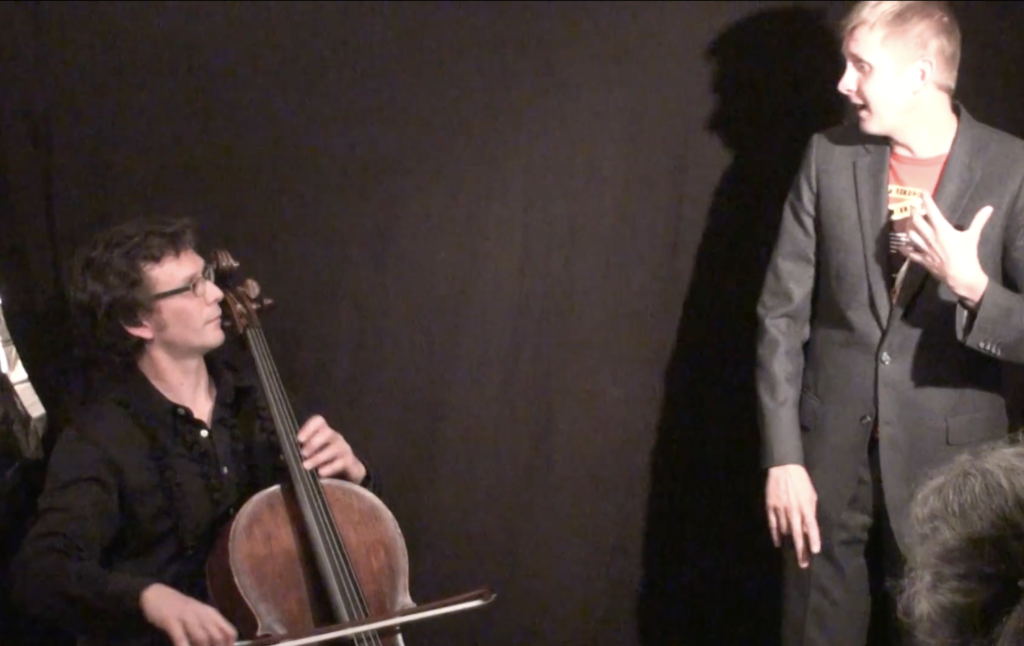
The duo of Michael Schiefel and cellist Jörg Brinkmann developed during Schiefel’s period as Improviser in Residence in Moers. Their performances focused entirely on free improvisation, exploring spontaneous interaction between voice, cello, and electronics in concert settings in and around the city. The project ran parallel to the early development of the Platypus material and reflects a phase of concentrated exploration of open forms and collective sound.
voice, electronics — Michael Schiefel
cello, electronics — Jörg Brinkmann
Platypus Trio
© Photo: Pawel Karnowski
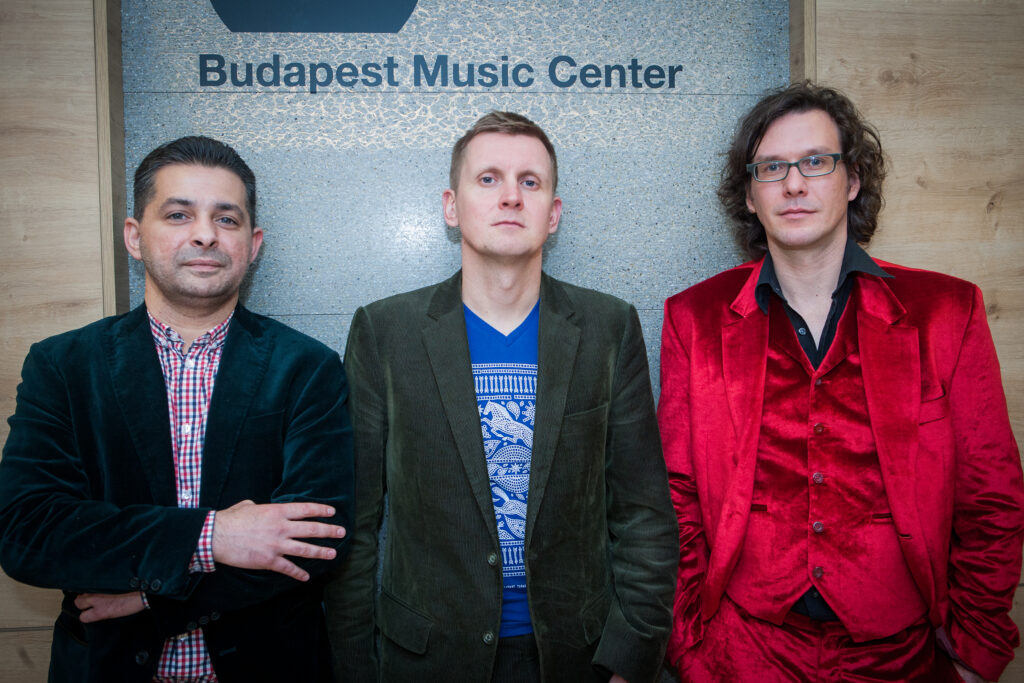
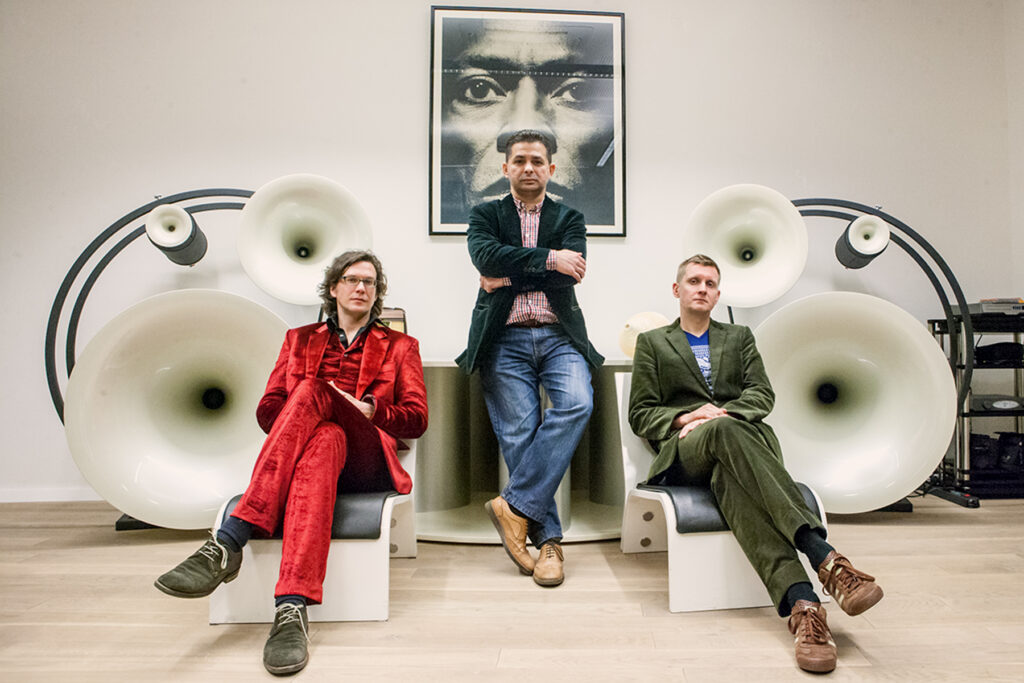
Platypus Trio brings together voice, cello, cimbalom, and electronics in a chamber-like ensemble exploring narrative soundscapes, timbral transparency, and collective improvisation. Inspired in part by the mythical platypus as a figure of hybrid identity, the trio develops music that moves fluidly between composition and improvisation, lyricism and abstraction. The project is documented on the album Platypus Trio (BMC, 2014), recorded in Budapest, and reflects the ensemble’s interest in storytelling through texture, resonance, and subtle rhythmic motion.
voice, electronics — Michael Schiefel
cello, electronics — Jörg Brinkmann
cimbalom — Miklós Lukács
Recordings:
Wood&Steel Trio feat. Michael Schiefel
© Photo: Stefanie Marcus
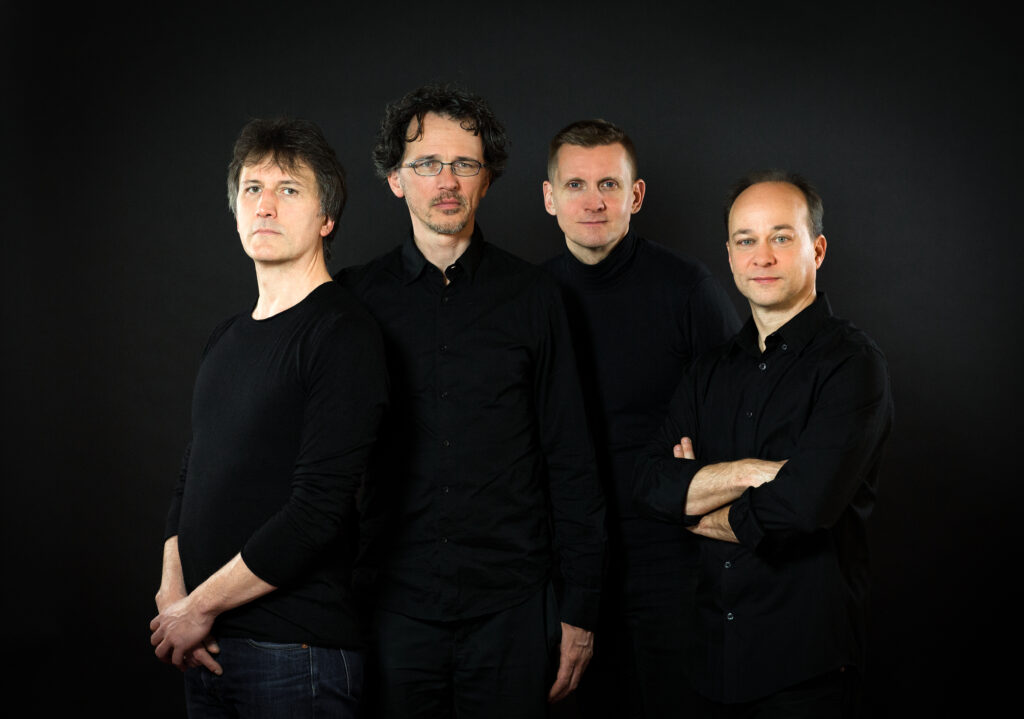
This project grew out of an attempt to bring Hanns Eisler’s Hollywood Songbook into a jazz and improvisational context. Early approaches quickly failed: Eisler’s music proved too fragile and too precisely constructed to be reduced to lead sheets or chord-based improvisation without losing its substance.
Instead, the ensemble chose a different path. The original scores were transcribed and distributed across the instruments, preserving Eisler’s notation in detail. Within this framework, the trio performs the songs with high fidelity, while inserting free improvisations between the pieces. These improvisations function as reflections — or commentaries — on Eisler’s music and the weight of Brecht’s texts.
With its reduced instrumentation of bass, dobro, vibraphone and marimba, the group creates a transparent, chamber-like sound in which Schiefel’s voice is embedded rather than placed in front. The result is a form that moves between strict interpretation and open response, allowing both precision and freedom to coexist.
Voice – Michael Schiefel
Vibraphone, marimba – Roland Neffe
Bass – Marc Muellbauer
Dobro – Christian Kögel
Recordings:
- Hollywood Songbook (2018)
42 – Schiefel / Milliken / Wiesner
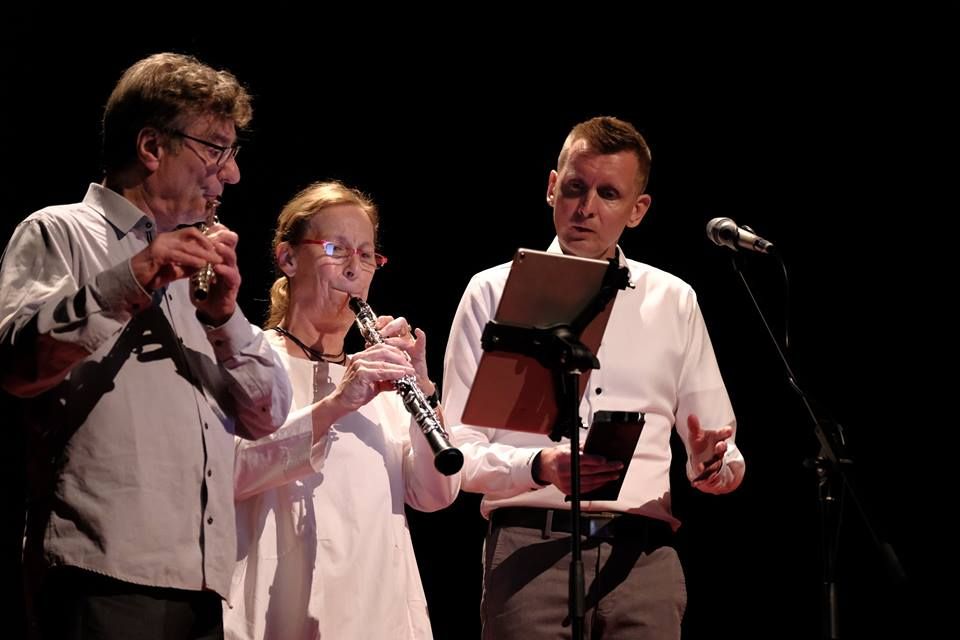
42 is a chamber work initiated by Michael Schiefel around 2012 and written specifically for Catherine Milliken and Dietmar Wiesner. The fully notated composition explores the interaction of voice, oboe, and flute within a carefully structured musical language. The project was later expanded into a multimedia concert format in collaboration with Hong Kong artist VV Kook, integrating live visualization with the performance. This version was presented at the Goethe-Institut Hong Kong and at the University of Hong Kong.
voice — Michael Schiefel
oboe — Catherine Milliken
flute — Dietmar Wiesner
visualization — VV Kook
NAJA – North Atlantic Jazz Alliance

North Atlantic Jazz Alliance (NAJA) was a transatlantic ensemble bringing together musicians from Germany and the United States, initiated by pianist Markus Burger. The project combined distinct compositional voices with a shared interest in chamber-like interplay, open improvisation, and cross-cultural exchange within contemporary jazz. The collaboration led to concert activity and resulted in the album North Atlantic Jazz Alliance (2008), which documents the group’s collaborative approach and collective sound.
piano — Markus Burger
trombone — Jim Linahon
drums — Paul Kreibich
bass — Marshall Hawkins
trumpet — Bill Yeager
alto saxophone — Jan von Klewitz
voice — Michael Schiefel
Recordings:
Schiefel / Carsten Daerr Duo

© Photo: Oliver Potratz
Schiefel and pianist Carsten Daerr began working together in 2006, initially preparing a program of music by Johann Sebastian Bach and Felix Mendelssohn for a concert series at the Bauhaus Museum in Berlin. From this starting point, the duo developed a distinctive repertoire combining classical material with jazz, pop influences, and their own compositions. Their collaboration led to the album Gondellied in the Sahara (BMC, 2010), recorded together with Miklós Lukács (cimbalom) and Mátyás Szandai (bass), and to performances at numerous international festivals, including the Penang Island Jazz Festival.
voice — Michael Schiefel
piano — Carsten Daerr
Recordings:
Gay Trio
© Photo: Joerg Grosse-Geldermann
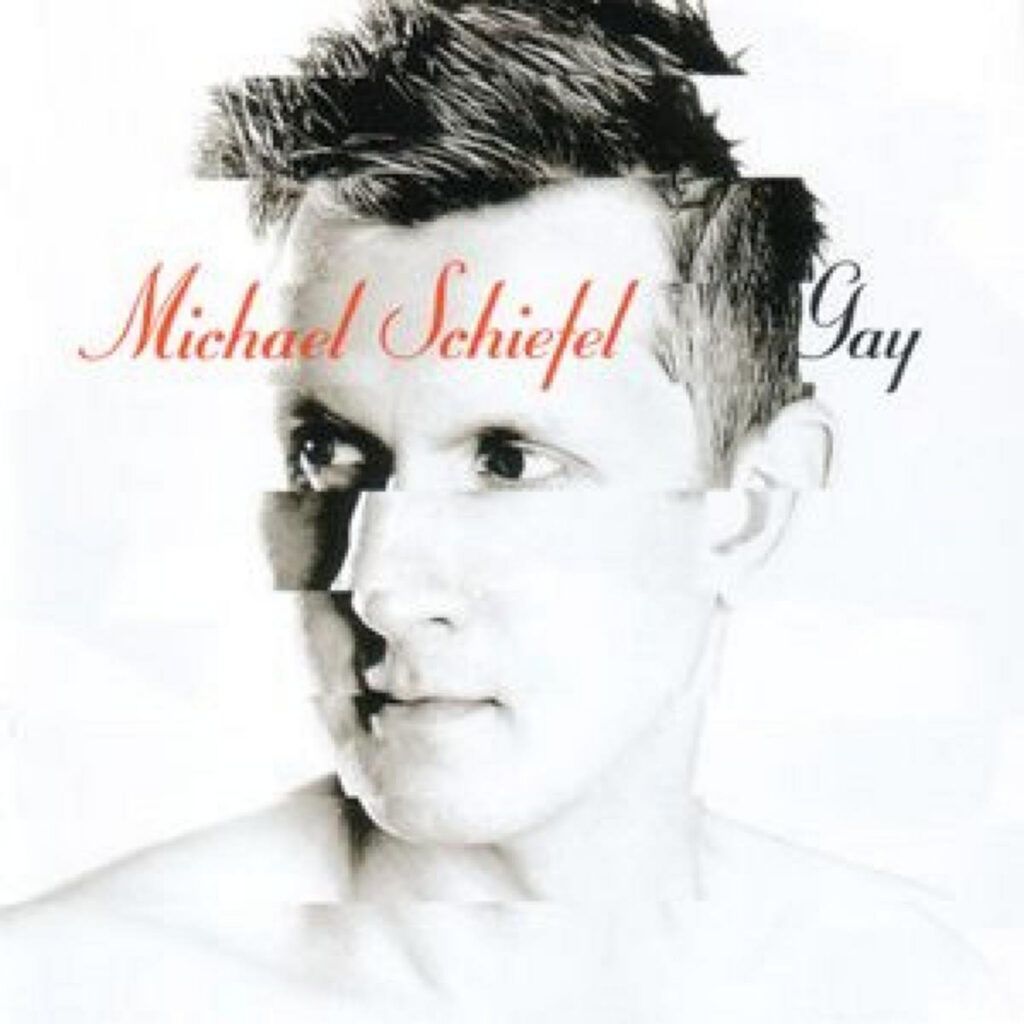
Gay Trio brought together Michael Schiefel with pianist/electronics player Andreas Schmidt and guitarist Christian Kögel in an intimate acoustic–electronic setting. The trio developed a repertoire of love songs drawn from jazz standards and contemporary pop, reinterpreted through spacious arrangements, subtle electronic textures, and a chamber-like interaction. The project is documented on the album Gay (2003), whose selection of songs reflects themes of identity, closeness, and emotional nuance.
Voice, Electronics – Michael Schiefel
Piano, Electronics – Andreas Schmidt
Guitar – Christian Kögel
Recordings:
Mosaiq 4 Voices
Mosaiq 4 Voices was a vocal quartet formed during Michael Schiefel’s university years, bringing together four singers working between written material and collective improvisation. The ensemble developed a repertoire that combined structured vocal textures with spontaneous interaction, exploring the possibilities of the voice as both melodic and sonic instrument. Active in the late 1990s, the quartet performed in various concert settings and produced a demo recording, reflecting an early phase of collaborative vocal experimentation preceding Schiefel’s later ensemble work.
voice — Celine Rudolph
voice — Britta Flechsenhar
voice — Daniel Mattar
voice — Michael Schiefel
Thärichens Tentett
© Photo: Joerg Grosse-Geldermann
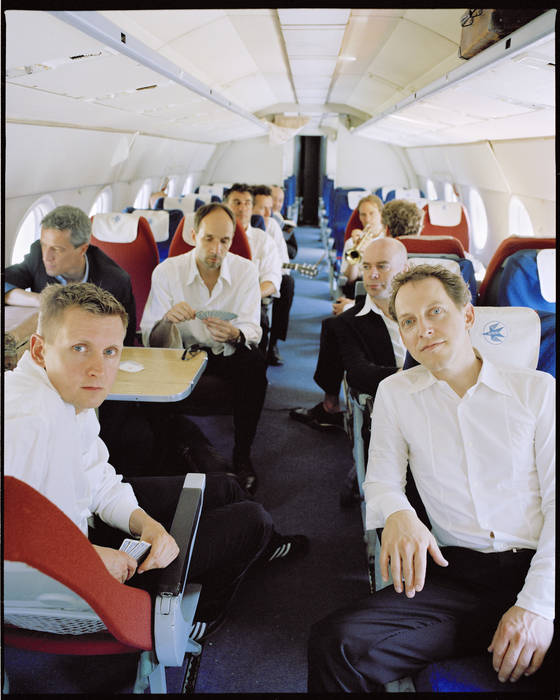
Thärichens Tentett is a long-standing ensemble led by pianist and composer Nicolai Thärichen, bringing together an extended jazz lineup that balances composed structures with ensemble interaction. Since its beginnings in the early 1990s, the group has developed a distinctive sound shaped by Thärichen’s writing, combining intricate arrangements, chamber-like textures, and space for individual voices within a collective framework. The formation has remained remarkably stable over the years, with only a few early personnel changes, allowing the ensemble to build a shared musical language across numerous concert programs and recordings. Michael Schiefel has been part of the project from its early phase, contributing both as vocalist and ensemble voice within the group’s evolving sound.
(->Thärichens Tentett webpage)
piano, composition — Nicolai Thärichen
alto saxophone, clarinet — Jan von Klewitz
tenor saxophone, flute — Andreas Spannagel
baritone saxophone, bass clarinet — Claas Willeke (early phase)
baritone saxophone, bass clarinet — Nikolaus Leistle
trumpet, flugelhorn — Sven Klammer
trombone — Sören Fischer (early phase)
trombone — Simon Harrer
guitar — Kai Brückner
double bass — Johannes Gunkel
drums — Kai Schönburg
voice — Michael Schiefel
Recordings:
Solo
© Photo: Enis Yücel
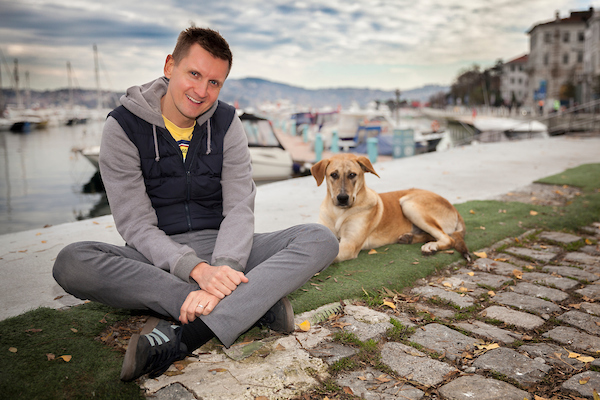
Michael Schiefel’s solo project centers on the voice as a complete sonic instrument, combining singing, spoken language, extended vocal techniques, and live electronics. A central component of the performances is the use of the MikeLoop app, developed by Schiefel in collaboration with Fabian Bronner, which enables layered vocal structures to be created in real time. Moving between composition and improvisation, the solo format explores rhythmic construction, timbral transformation, and narrative fragments, functioning both as an independent concert practice and as a laboratory for ideas later developed in ensemble contexts.
vocals & electronics – Michael Schiefel
Recordings:
JazzIndeed
© Photo: Joerg Grosse-Geldermann
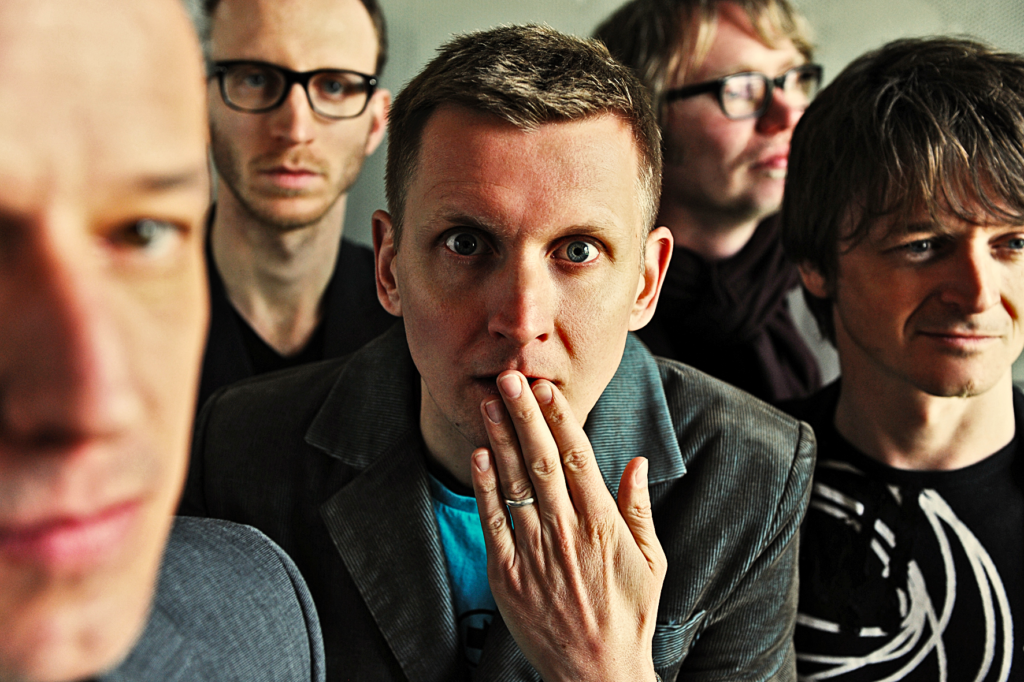
JazzIndeed was Michael Schiefel’s first long-term ensemble and a formative collective project emerging from Berlin’s post-Wall jazz scene. The band worked entirely with original material, combining elements of jazz with funk grooves, electronics, and open improvisational approaches. Rather than being led by a single musical director, JazzIndeed developed its repertoire through a collaborative process in which compositional ideas and arrangements were shaped jointly by the group. Each summer the musicians met for intensive rehearsals on the island of Naxos, developing new material that was then performed throughout the following year. The project is documented on several recordings, including Under Water, Blaue Augen, and Who the Moon Is, which reflect the band’s evolving sound between collective experimentation and stylistic openness.
voice, elctronics — Michael Schiefel
piano — Bene Aperdannier
drums — Rainer Winch
bass — Danda Cordes (until 1997)
bass — Paul Kleber (since 1997)
flute, saxophone — Tilmann Dehnhard (until 1998)
saxophone — Jan von Klewitz (since 1998)
Recordings:
Educational & Participatory Projects
Night Shift

Night Shift is a large-scale participatory concert work inspired by Shakespeare’s A Midsummer Night’s Dream. The piece combines composed music, staged performance and elements of sound installation into an inclusive musical environment in which audience members actively participate using sound objects, dissolving the boundary between performers and listeners.
The work premiered at Musikfest Berlin (Berliner Philharmonie)in 2021 and toured internationally with different partner ensembles, including Ensemble Modern, Remix Ensemble, Asko|Schönberg Ensemble and London Sinfonietta, with performances in Berlin, Frankfurt/Offenbach, Porto, Nijmegen and London.
Artistic core
Composition – Catherine Milliken
Voice / performance – Michael Schiefel, Helena Rasker, Jessica Aszodi
Conductors – Catherine Larsen-Maguire, Jonathan Stockhammer
Performing partners
Ensemble Modern · Remix Ensemble Casa da Música · Asko|Schönberg Ensemble · London Sinfonietta
Lautstark

Founded in 2008 within the Klangspuren Festival in Schwaz, Lautstark is a long-running European composition and music-making project for children and young people aged 8 to 18.
The project offers participants an intensive week of collaborative composing, improvising and performing, working in small interdisciplinary groups as well as larger instrumental and vocal ensembles. Guided by a team of composers and performers, the participants explore new sound worlds, develop their own musical ideas and present them in a final public performance.
Originally initiated within the Klangspuren Festival by Maria-Luise Mayr, Lautstark was developed from the outset through the close artistic collaboration of Catherine Milliken, Dietmar Wiesner and Michael Schiefel, who have shaped the project’s pedagogical and musical profile since its beginnings. The workshop later continued independently under the Klanggang label. After early editions in Imsterberg, the project moved to Rotholz in the Zillertal, where it continues today.
More information: klanggang.at
Artistic direction
Catherine Milliken · Dietmar Wiesner · Michael Schiefel
Project coordination / organisational lead
Klaus Niederstätter
Core teaching team (selection)
Martin Flörl · Walter Singer · Barbara Müller · Sophia Goidinger-Koch · Chris Norz · Michael Öttl · Thomas Greiderer
Further collaborators and guest teachers vary from year to year.
Stadtlied
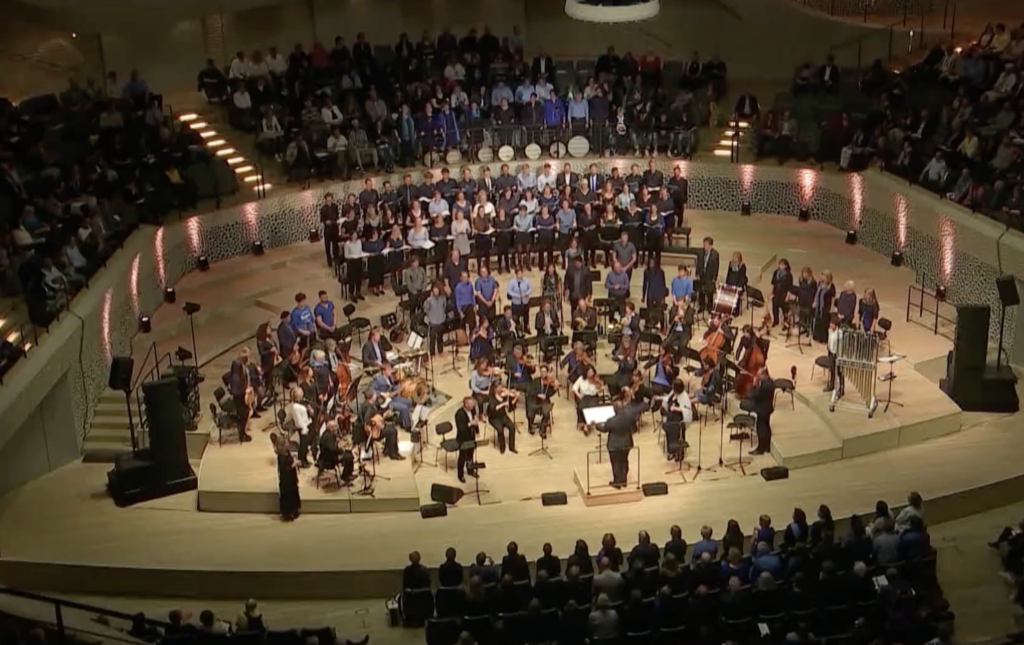
Premiered in 2019 at the Elbphilharmonie Hamburg, Stadtlied is a large-scale participatory work led and primarily composed by Catherine Milliken, with additional musical contributions by the Jürgen Kok Trio and Michael Schiefel.
Developed through workshops across Hamburg, the project brought together professional and amateur musicians, singers, writers and ensembles to create a collective musical portrait of the city. Texts, musical ideas and performance material emerged collaboratively with participants, resulting in a performance that combined composed structures, improvisation and community voices on one stage.
Performers
Hamburger Camerata
Participants from Hamburg communities
University of Hamburg Choir
Weltkapelle Wilhelmsburg
Jürgen Kok Trio
Soloists / speakers
Lucia Duchoňová – mezzo-soprano
Samir Mansour – oud, vocals
Michael Schiefel – tenor
Yorck Dippe – narrator
Conductor
Vimbayi Kaziboni
Composition
Catherine Milliken
Additional musical contributions
Jürgen Kok Trio · Michael Schiefel
Romeo & Juliet Project – Melbourne Symphony Orchestra
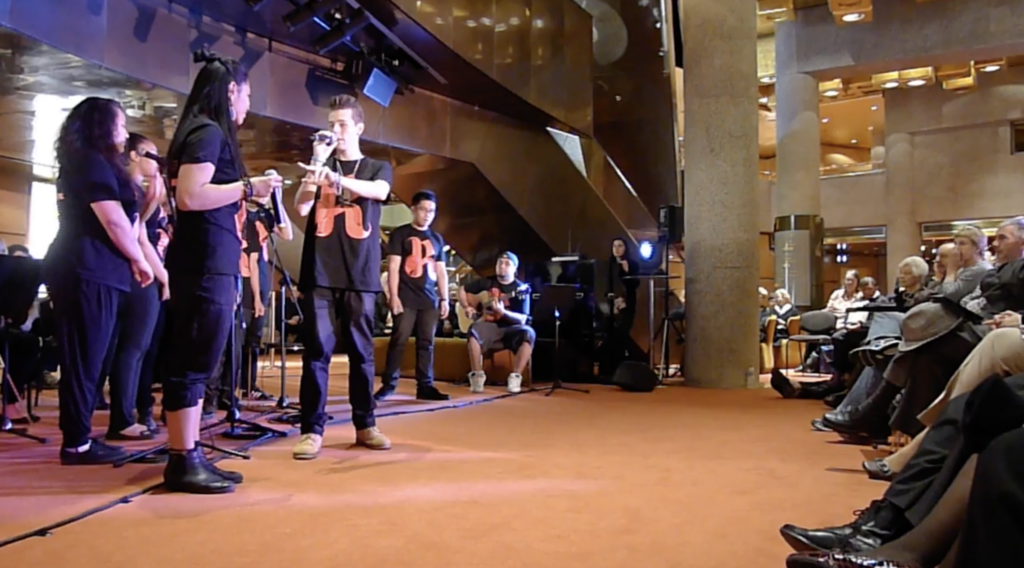
Created in 2012 with composer Catherine Milliken in Melbourne, this participatory music-theatre project was inspired by Shakespeare’s Romeo and Juliet and explored themes of division, belonging and reconciliation. The work brought together students from two schools in socially contrasting neighbourhoods — one public school and one private school — alongside a community choir, deliberately creating encounters across social boundaries.
Through workshops, rehearsals and performance, the participants collaborated with professional musicians to develop a staged musical narrative that connected Shakespeare’s tragic love story with contemporary questions of identity and coexistence. The project combined composed material, devised scenes and ensemble performance, foregrounding shared authorship and the social potential of participatory music-making.
Artistic direction / composition
Catherine Milliken
Artistic collaboration / voice
Michael Schiefel
Performers
Students from two Melbourne schools
Community choir participants
Professional musicians of the Melbourne Symphony Orchestra
Installations & Spacial Work
FarnWelten – Nahe Ferne

Performed in 2025, FarnWelten – Nahe Ferne is a site-specific performance project curated by Elke Moltrecht that brings together musicians from diverse musical traditions in a spatially immersive concert setting. Presented in the fern house of the Gruson-Gewächshäuser in Magdeburg as part of the Tonkünstlerfest 2025, the work unfolds as a dialogue between improvisation, composed structures and the atmospheric qualities of the natural environment.
Inspired by rainforest imagery and texts including those of Werner Herzog and Pablo Neruda, the performance explores the relationship between voice, space, ecology and collective listening. The humid greenhouse setting becomes an active acoustic partner, shaping the perception of sound, movement and presence.
Musical direction – Cathy Milliken, Dietmar Wiesner
Curator / ensemble lead – Elke Moltrecht
Ensemble Extrakte Kollektiv
Michael Schiefel – voice
Warnfried Altmann – saxophone
Klaus Janek – bass, electronics
Bakr Khleifi – oud
Thomas König – violin
Marius Moritz – keyboards, electronics
Silvia Ocougne – guitar
Ravi Srinivasan – percussion, objects, khayal singing
Dietmar Wiesner – flutes
Lucy Zhao – pipa
Sound Shuttle
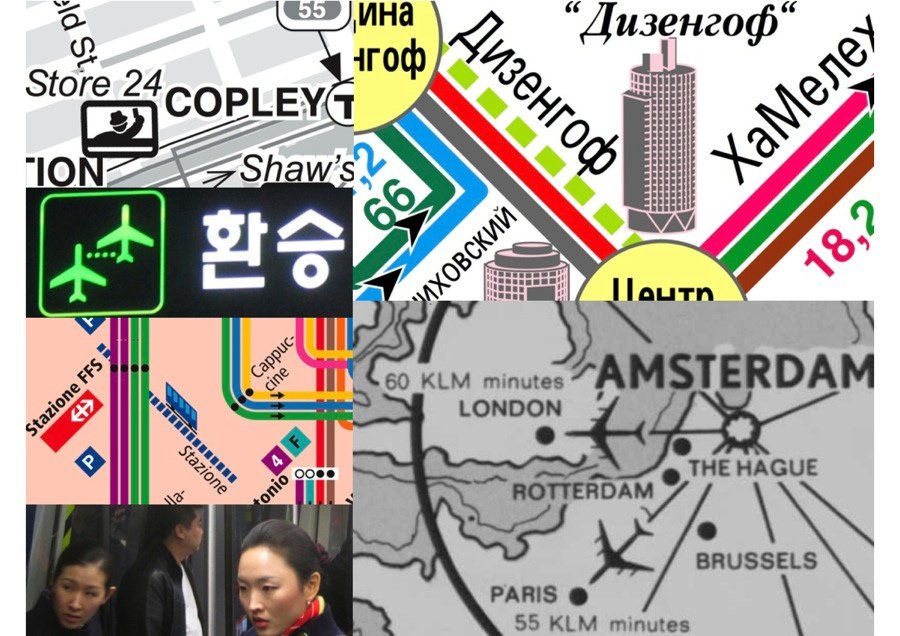
Sound Shuttle, started in 2011, is a collaborative audiovisual installation by Michael Schiefel and Max Hirsh exploring mobility, perception and the relationship between sound, image and urban space. Conceived as a fully portable installation, the work was designed to fit entirely into carry-on luggage and to function without external technical infrastructure. Small independent speakers play looping sound fragments, allowing the installation to be assembled quickly and autonomously in different environments.
This mobility is central to the concept: the work treats travel not only as a logistical condition but as an artistic theme, inviting audiences to experience sound as a vehicle of movement and spatial transformation.
The installation was presented internationally in Berlin (91mQ), Boston (Harvard GSD Piper Auditorium), New York (Metropolitan Exchange, Brooklyn), Amsterdam (Trouw), Tel Aviv (Inga Gallery), and Hong Kong (Videotage).
Sound, voice, composition – Michael Schiefel
Visual concept, spatial design – Max Hirsh
Five Emotions for Hanoi
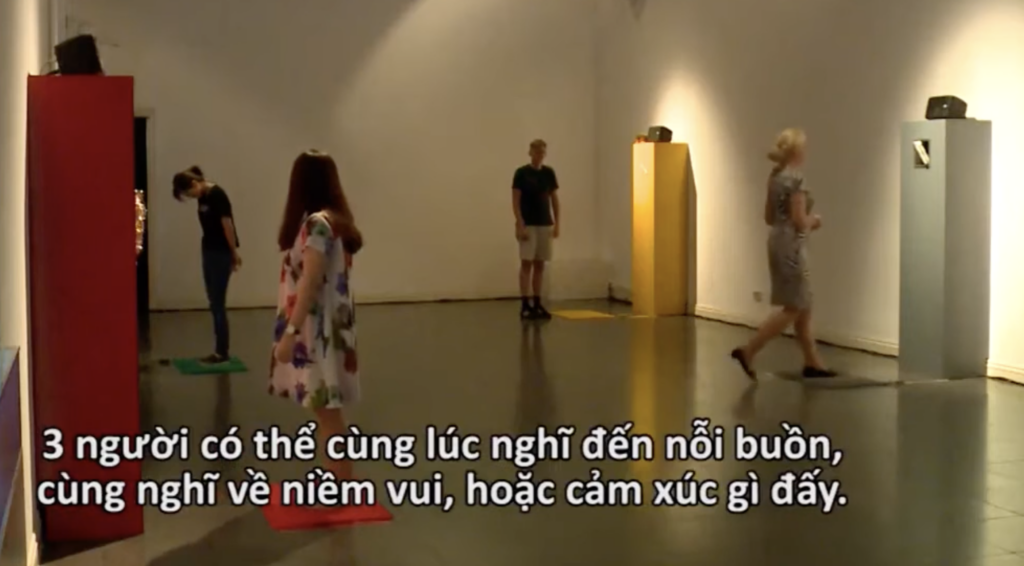
Five Emotions for Hanoi is an interactive sound installation inspired by Michael Schiefel’s stay in the city in early 2016. The work creates an acoustic environment structured around five emotional states, inviting visitors to move through the space and shape the sonic atmosphere by their presence and movement.
Developed together with media artist Fabian Bronner, the installation explores how spatial listening can become a communicative experience, turning emotional transitions into a shared physical journey.
The work was presented at the Goethe-Institut Hanoi in August–September 2016.
Concept, sound composition, voice – Michael Schiefel
Programming, hardware, technical realization – Fabian Bronner
Füg/ Fuge
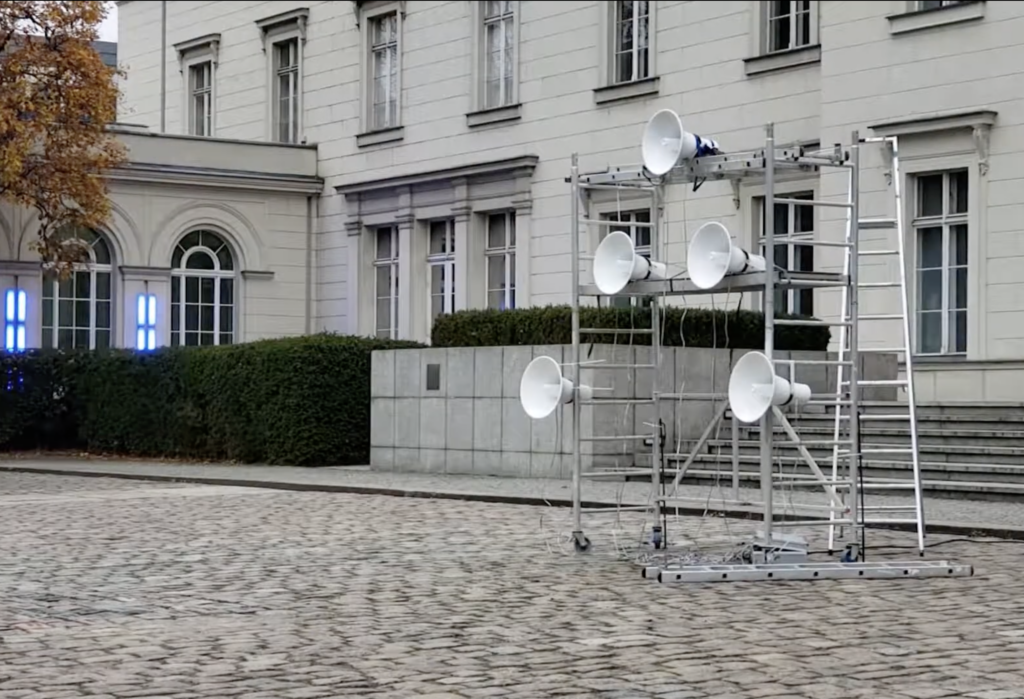
Fugue is a sound installation developed during Michael Schiefel’s residency at the Tarabya Cultural Academy in Istanbul. The work is built around five loudspeakers of the type commonly used on minarets for the call to prayer. Through these speakers Schiefel’s multi-tracked vocal interpretation of a Bach fugue unfolds in space, gradually giving way to wordless melodic phrases sung by a muezzin from Istanbul.
The piece draws connections between musical polyphony and spiritual ritual, with the number five referencing both the five voices of the fugue and the five daily calls to prayer. By presenting the work in venues such as the Schneidertempel in Istanbul — now a gallery space — the installation creates a meeting point between religious traditions and secular listening, allowing sacred references to remain present while transformed into shared musical experience.
The installation was presented in Istanbul and later in Berlin, including in the exhibition Studio Bosphorus at Hamburger Bahnhof.
Concept, sound composition, voice, installation – Michael Schiefel
Technical development – Fabian Bronner
Collaborations with Samson Young
The Coffee Cantata
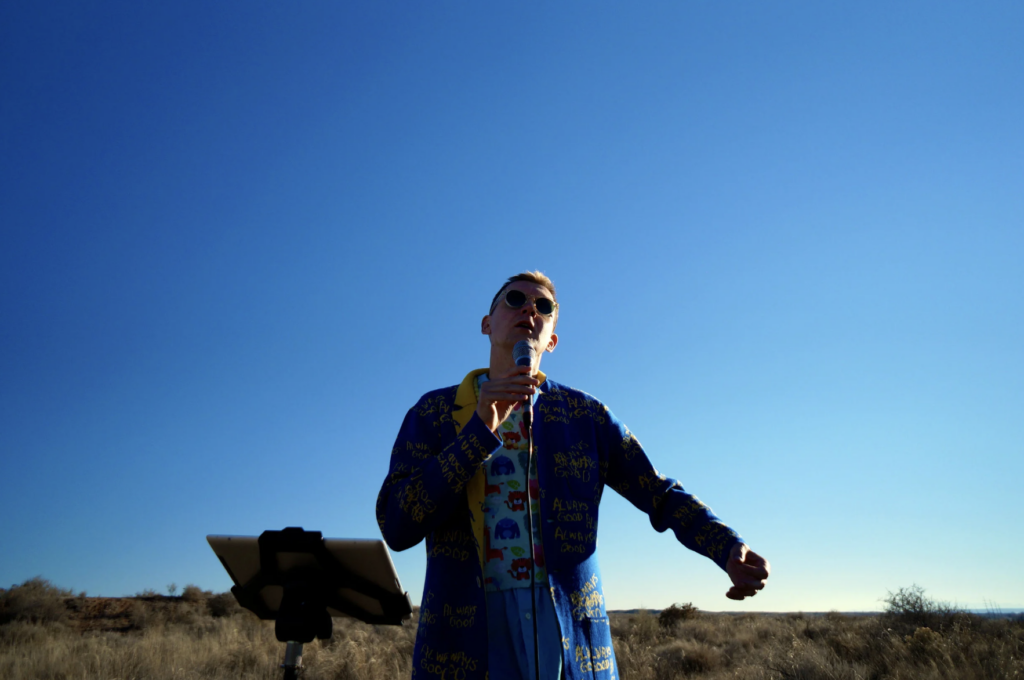
Coffee Cantata is a film-based musical work by Samson Young, created in collaboration with Michael Schiefel. Shot in the desert landscape of New Mexico, the piece reimagines Bach’s Schweigt stille, plaudert nicht (the Coffee Cantata) through a contemporary lens, shifting its themes of consumption, ritual, and social performance into a modern visual and sonic context.
Rather than presenting a historical reconstruction, the work unfolds as a cinematic meditation on voice, labour and cultural habit. Schiefel’s vocal performance interacts with Young’s compositional and visual language, creating a hybrid form between concert work, installation and experimental film. The project forms part of Young’s broader artistic practice exploring sound as a medium for cultural reflection and transformation.
(2016)
Michael Schiefel — vocals, arrangement, performance
Samson Young — concept, direction
Leung Ho Sing — videography
Priman Lee — set design
Historage – 7 Places, 7 Readings
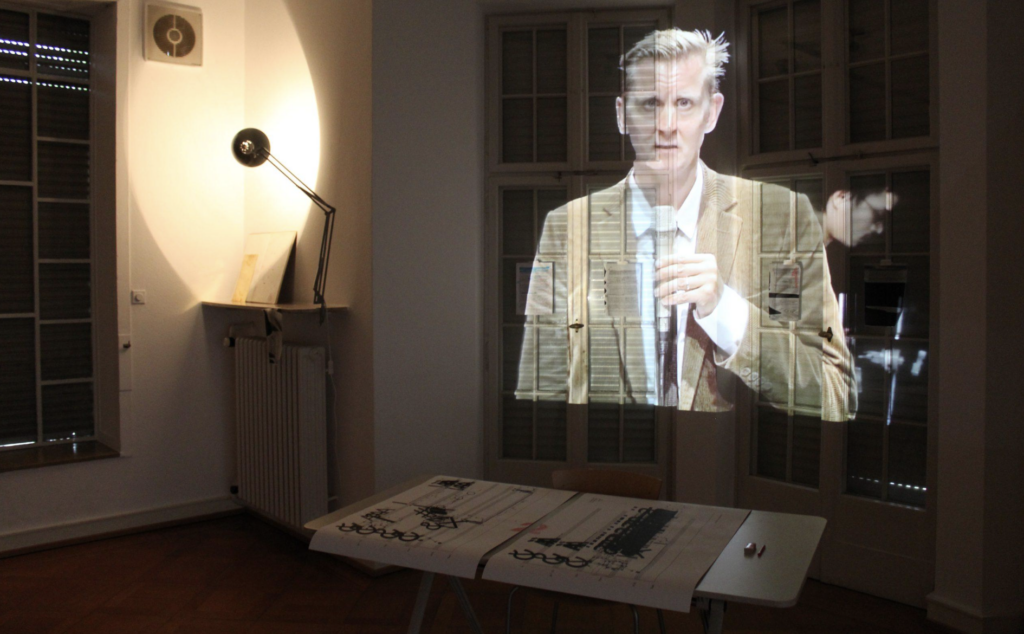
A transnational performance and installation project developed during the Darmstadt Summer Course for New Music in collaboration with the Internationales Musikinstitut Darmstadt and Goethe-Institut. The project explored how musical, historical and cultural materials can be “read” and reinterpreted across contexts, combining performance, text, sound and archival research.
Michael Schiefel participated as vocalist and performer in Samson Young’s contribution to the project.
Concept, composition – Samson Young
Voice – Michael Schiefel
Videography – Leung Ho Sing
Ministry of Fear – Multimedia Walk
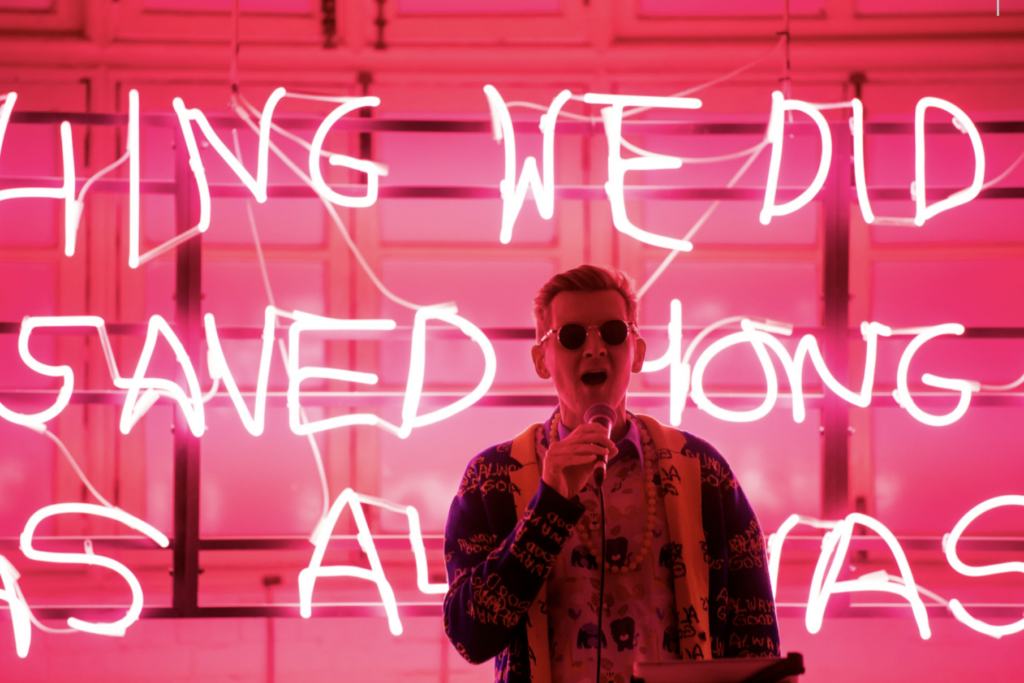
A site-specific multimedia work presented in the Frieze Projects programme at Frieze London, curated by Raphael Gygax. Inspired loosely by Graham Greene’s The Ministry of Fear, the work unfolds as a narrative “sensory walk” through the art fair, combining music, film, photographs and archival material to tell the story of Lok, a bookstore owner convinced he is being followed by foreign agents.
Michael Schiefel contributed vocal material and performance elements within the musical layer of the installation.
(2016)
Concept, direction, composition – Samson Young
Voice – Michael Schiefel
Videography – Leung Ho Sing
Songs for Disaster Relief

Installation and video work by Samson Young, presented at the 57th Venice Biennale (2017).
The project examines the aesthetics of conflict and the circulation of images, sounds and gestures associated with warfare, media spectacle and collective memory. Combining staged performances, documentary references and sculptural elements, the work reflects on how acts of violence and crisis are translated into symbolic and cultural forms.
Michael Schiefel appears in the video material as performer and vocalist.
Samson Young – concept, direction, music, installation
Michael Schiefel – vocal performance (video)
Leung Ho Sing – videography
Water Music
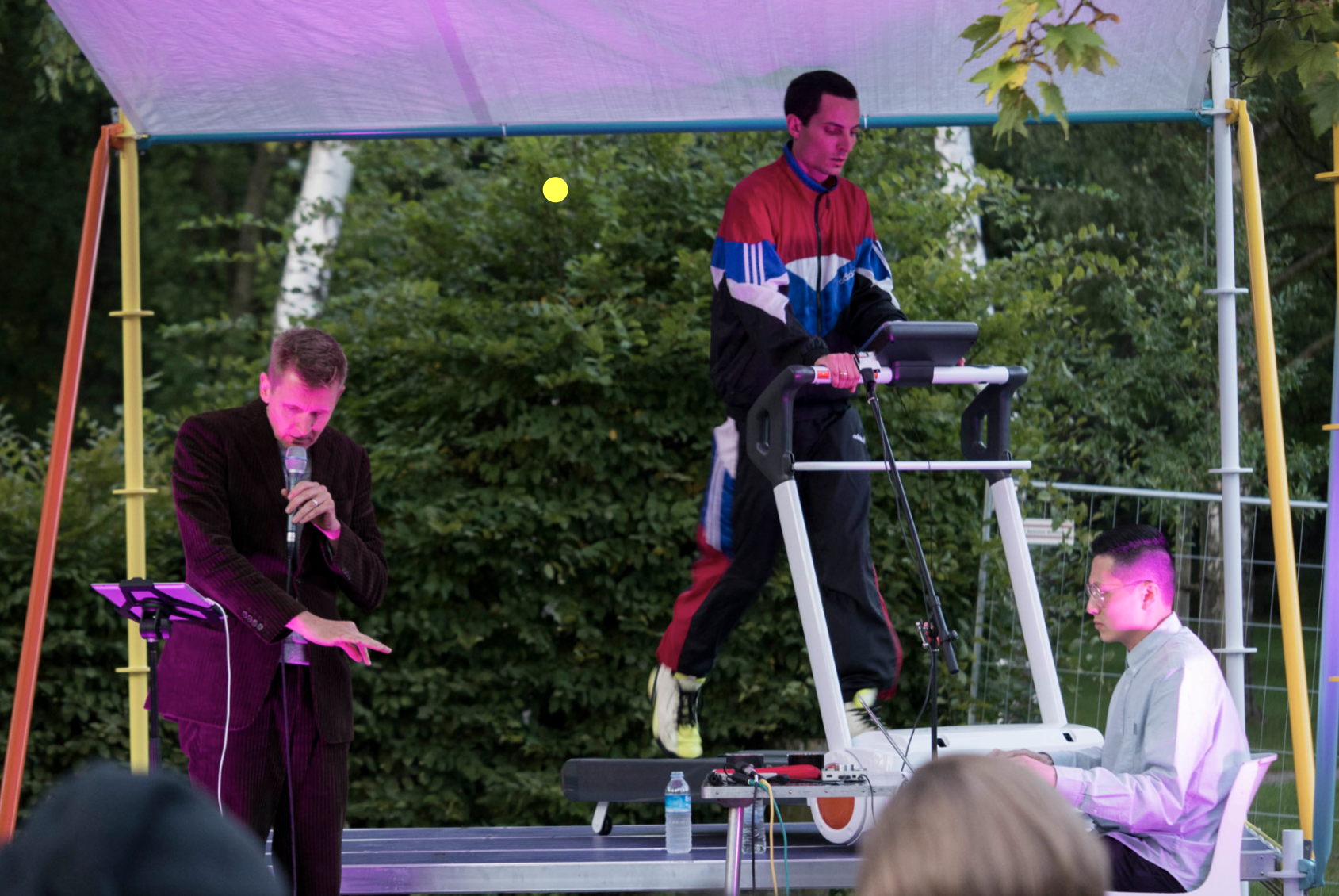
Presented in 2017, Water Music is a site-specific performance by Samson Young and Michael Schiefel in which sound and musical structure are shaped by the heartbeat of a running performer. The piece unfolds as a fleeting concert situation between installation, performance and live music, turning physical rhythm into compositional material.
Presented on the terrace of TROPEZ overlooking the former swimming facilities, the work transforms the act of running into a musical control system and explores the relationship between body, environment and sound.
Concept / performance – Samson Young
Voice / electronics – Michael Schiefel
The Immortals

A large-scale multimedia music-theatre work by Samson Young combining live performance, video, costumes and spatial staging. The piece brings together vocalists, an electric-guitar quartet and live electronics in an immersive performance environment. Michael Schiefel contributes vocal performance, improvisation and musical arrangement within a hybrid setting that moves between concert, installation and staged ritual.
The work premiered as a commission of Performa 19 in New York and was staged at Castle Williams on Governors Island. (2019)
Voice, vocal performance, improvisation, musical arrangement – Michael Schiefel
Voice, Cantonese opera vocals, lyrics – Eliza Li
Electric guitar quartet – DITHER (James Moore, Taylor Levine, Brendon Randall-Myers, Liz Faure)
Concept, composition, direction, electronics, animation, costume design – Samson Young
Houses of Tomorrow
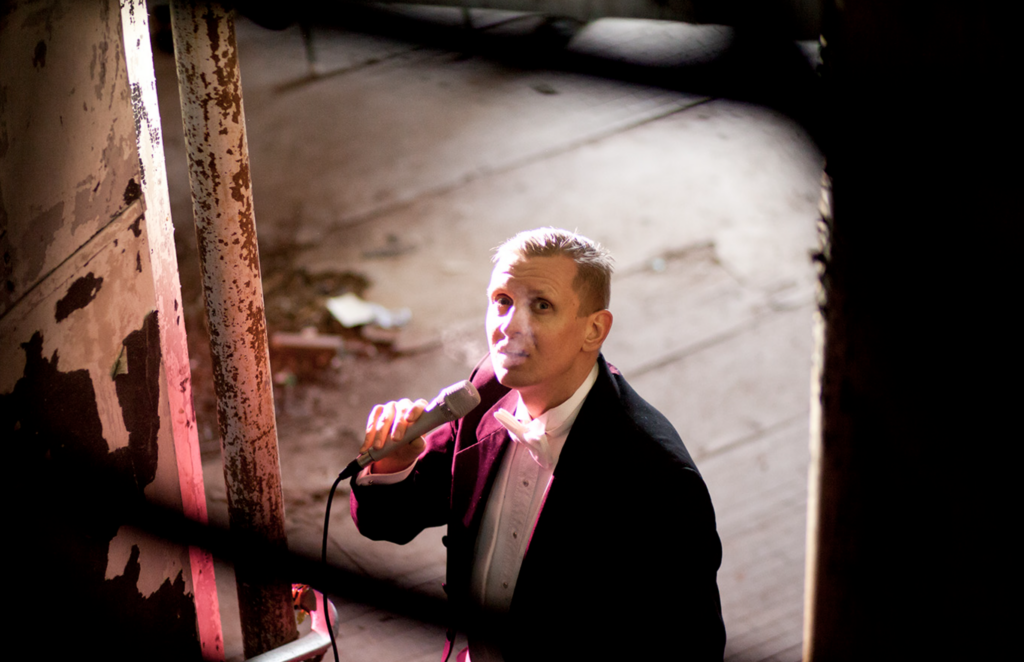
Part of Samson Young’s Utopia Trilogy, this multimedia installation combines two-channel video, spatial sound and sculptural elements to explore speculative visions of future living environments and their social implications.
Michael Schiefel contributed vocal performance and musical arrangement, working closely with Young on the sonic layer of the piece. The work was presented internationally in museum and exhibition contexts as part of Young’s ongoing research into sound, architecture and cultural imagination.
(2019)
Voice, vocal performance, music arrangement – Michael Schiefel
Concept, animation, video editing, music arrangement – Samson Young
Videography – Ben Kolak, Stephen Garrett
Theatre & Interdisciplinary
Jazz Meets Dada – with HR Big Band
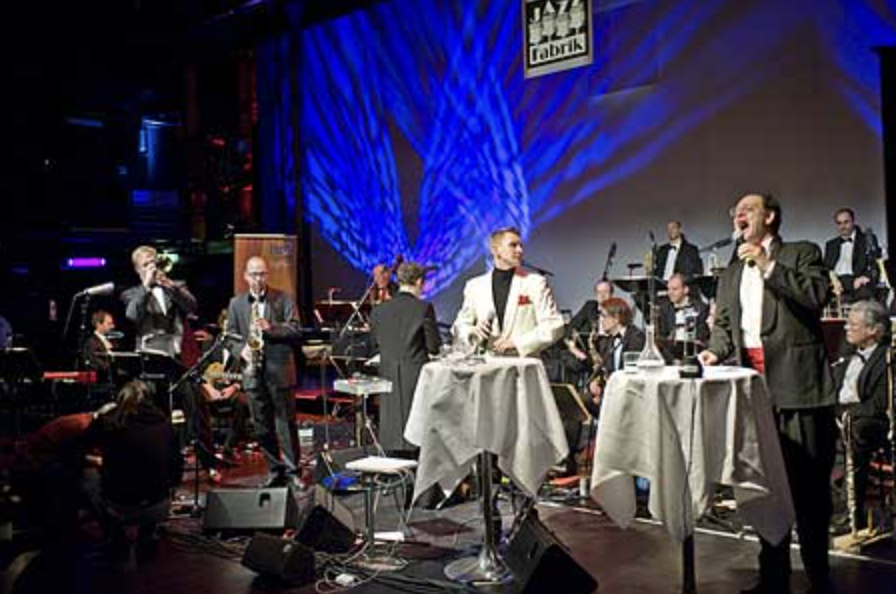
Jazz meets Dada was a concert program developed with the HR Big Band under the direction of Nicolai Thärichen, bringing together big band jazz with the experimental poetry and aesthetics of Dadaism. Combining arranged material, spoken text, theatrical elements, and extended vocal techniques, the project explored parallels between early 20th-century artistic revolt and contemporary jazz expression. The program integrated ensemble performance, narration, and staged interventions, positioning the voice as a central instrument within the conceptual framework.
voice, electronics — Michael Schiefel
big band — HR Big Band
musical direction — Nicolai Thärichen
narration / performance — Michael Quast
Domovina (Homeland) – A dance and music performance

Domovina (Homeland) is an interdisciplinary performance project initiated by choreographer Iztok Kovač and composer Cathy Milliken in collaboration with EN-KNAP Productions. The work explores the construction of collective identity and questions notions of belonging shaped by the divide between “us” and “them”. Through choreography, composed music, improvisation and visual media, the project seeks to propose more inclusive models of community and cultural self-understanding.
Michael Schiefel contributed live vocal performance and improvisation as part of an international group of musicians working alongside the dancers of the En-Knap Dance Group.
The production was developed in cooperation with partners in Slovenia, Germany and Croatia and premiered at Španski Borci Theatre in Ljubljana in June 2021, with further presentations in the region.
Key collaborators
Choreography / artistic direction – Iztok Kovač
Composition – Cathy Milliken
Dance – En-Knap Dance Group
Music & improvisation – Michael Schiefel, Vanessa Tomlinson, Ellen Harrison, Erik Griswold
Research – Aleš Črnič
Video – Sašo Podgoršek
Production: EN-KNAP Productions
Co-producers: Consense GmbH Berlin, Croatian Cultural Center Rijeka
Josefine, die Sängerin oder Das Volk der Mäuse

A staged concert and solo theatre performance based on Franz Kafka’s final short story. Developed during Michael Schiefel’s time as Improviser in Residence in Moers, the production explores Kafka’s ironic reflection on the role of art and the artist in society.
Alone on stage with voice, electronics and spatial sound, Schiefel embodies an entire “people of mice,” transforming the narrative into a multi-voiced theatrical soundscape in which speech, singing and electronic layering create a shifting chorus of perspectives.
The production premiered in November 2013 at the Kapelle of the Schlosstheater Moers.
Performance, voice, electronics – Michael Schiefel
Direction – Ulrich Greb
Recordings
2026
While I Was Away – Julia Hülsmann Octet
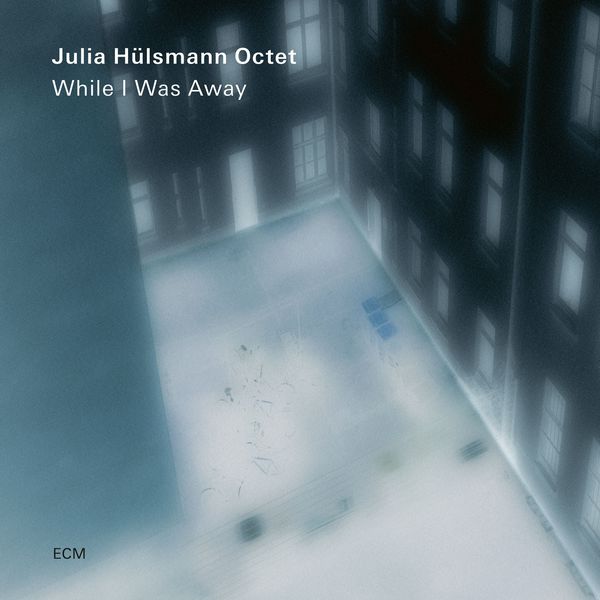
After a series of highly acclaimed quartet recordings, Julia Hülsmann opens a new chapter with While I Was Away, expanding her musical language through an octet of distinctive instrumentalists and vocalists. The album brings together the intimacy of chamber music and the openness of jazz improvisation: a classical trio of violin, cello and piano interweaves with a jazz piano trio, while three voices add narrative, texture and colour.
Hülsmann’s writing remains rooted in melodic clarity and emotional depth, yet the expanded ensemble allows for a broader palette of sound and form. Original compositions sit alongside a personal interpretation of Ani DiFranco’s Up Up… and a Brazilian song by Zélia Fonseca, while texts by writers such as Emily Dickinson, Margaret Atwood and E. E. Cummings open literary and atmospheric dimensions.
Moving between chamber-like transparency, song-driven storytelling and moments of free interaction, the album paints a vivid portrait of an ensemble that balances precision with openness and collective expression (-> Julia Hülsmann Octet).
tracklist + line up
- Coisário De Imagens
- Sleep
- Up, Up, Up, Up, Up, Up
- Felicia’s Song
- You Come Back
- Walkside
- Hora Azul
- TicToc
- Iskele
- Moonfish Dance
Vocals – Aline Frazão
Vocals – Live Maria Roggen
Vocals – Michael Schiefel
Violin – Héloïse Lefebvre
Violoncello – Susanne Paul
Piano – Julia Hülsmann
Double Bass – Eva Kruse
Drums – Eva Klesse
2024
Hiptoe – Michael Schiefel & David Friedman
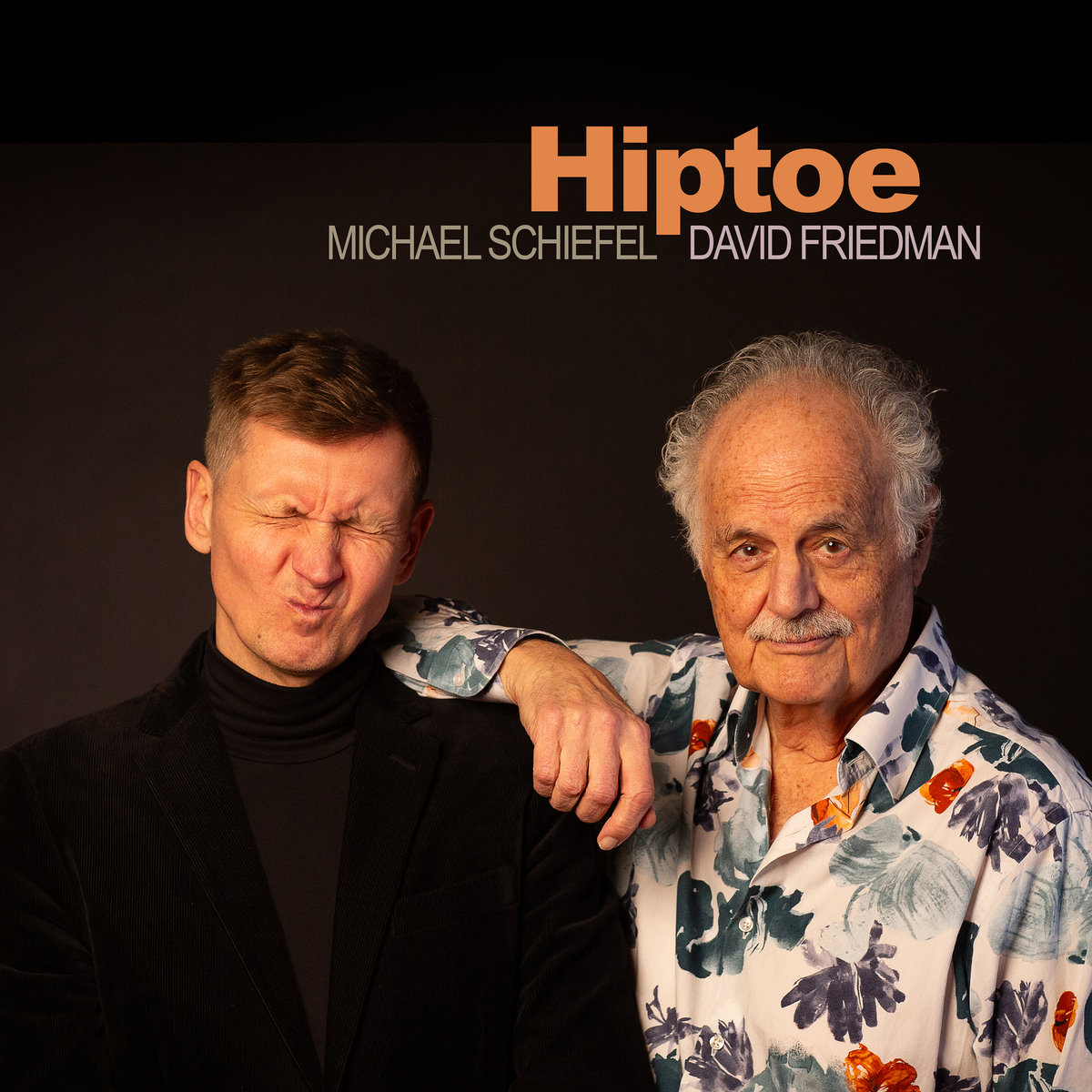
Recorded during the pandemic, Hiptoe documents a spontaneous musical encounter between vibraphonist David Friedman and vocalist Michael Schiefel. What began as an informal session in Friedman’s apartment turned into an album shaped entirely by immediacy, trust, and playful curiosity.
The duo moves freely between standards and open improvisation, treating familiar material less as repertoire than as a shared point of departure. Rather than foregrounding arrangement or concept, the recording focuses on interaction: two strong musical personalities listening closely, reacting instantly, and allowing the music to unfold in real time. The result is intimate, joyful, and unfiltered — less a program than a moment captured, where virtuosity serves communication and spontaneity becomes structure.
tracklist + line up
- Some Other Time
- Dolphin Dance
- Waltz for Debby
- Joy Spring
- Laura
- How Deep Is the Ocean
- Round Midnight
- How Insensitive
- Giant Steps
- My Romance
- Tenderly
Voice + Elctronics – Michael Schiefel
Vibraphone – David Friedman
Liebe, Glück und Einsamkeit – Thärichens Tentett

With Liebe, Glück und Einsamkeit, Nicolai Thärichen’s Tentett marks more than twenty-five years as one of the most distinctive large ensembles in the German jazz scene. The album revolves around the big emotional themes of love, happiness, and solitude — yet approaches them from unexpected angles rather than treating them sentimentally.
Love appears as an overwhelming, almost pathological state in the funky opener, while solitude is framed as a productive and even desirable condition. The adaptation of Henry Purcell’s Oh Solitude highlights the creative potential of withdrawal, an idea echoed by guitarist Kai Brückner, who recorded parts of the album while sailing solo across the Atlantic and contributed the groove-driven Jedi Vacation.
Several lyrics come from baritone saxophonist Nikolaus Leistle, whose texts range from playful irony to intimate reflection. Throughout the album, Thärichen’s writing reflects the strength of a long-standing ensemble whose members are not only loyal collaborators but creative partners. The result is music that balances compositional precision with the personality of the players — a mature statement from a band that has grown together over decades.
tracklist + line up
- Liebe
- Glück ist es (Für K.)
- Oh Solitude
- Want Me
- Our Final Kiss
- Jedi Vacation
- Sch(l)aflos
- The Man That I Once Was
- Conception
- Schattenpaarung
- Ein Lied wie mich verlässt man nicht
- Keepsake Mill
- Peace
Alto Saxophone, Clarinet – Jan von Klewitz
Baritone Saxophone, Bass Clarinet – Nikolaus Leistle
Bass – Andreas Henze, Johannes Gunkel
Drums – Kai Schönburg
Flute, Tenor Saxophone – Andreas Spannagel
Guitar – Kai Brückner, Robert Keßler
Piano – Nicolai Thärichen
Trombone – Simon Harrer
Trumpet, Flugelhorn – Sven Klammer
Vocals – Daniel Mattar, Michael Schiefel
Stimmen – Eva Klesse Quartett

With STIMMEN, the Eva Klesse Quartett expands its musical language into a form that is both personal and socially attentive. Conceived during the isolation of the pandemic years, the project reflects on the question of what it means to have a voice — who is heard, who is overlooked, and how stories can be carried forward through music.
The album combines the quartet’s characteristic narrative instrumental writing with spoken texts, electronic textures and guest voices. Together with Zuza Jasinska, Michael Schiefel and sound designer Philipp Rumsch, the ensemble creates a layered musical essay shaped by themes of memory, resistance, identity and hope. Each band member contributes an individual compositional chapter, reinforcing the collective spirit that has defined the group since its beginnings.
Rather than offering simple answers, STIMMEN invites listening as an act of attention — to history, to contemporary realities, and to the fragile but persistent possibility of connection through sound.
tracklist + line up
- Equation (Intro)
- Over And Over And Over Again
- Metamorphosis
- United Resistance
- Equation
- What’s Beneath The Snow
- Fear (Prelude)
- Fear
- Spring (Prelude)
- Spring
- Don’t Hit On Me
- 8 Out Of 10
- You Cannot Be What You Cannot See
Bass – Marc Muellbauer
Drums – Eva Klesse
Piano – Philip Frischkorn
Saxophone – Evgeny Ring
Sound Design, Electronics – Philipp Rumsch
Vocals – Michael Schiefel, Zuza Jasinska
2020
Two Step – Cathy Milliken
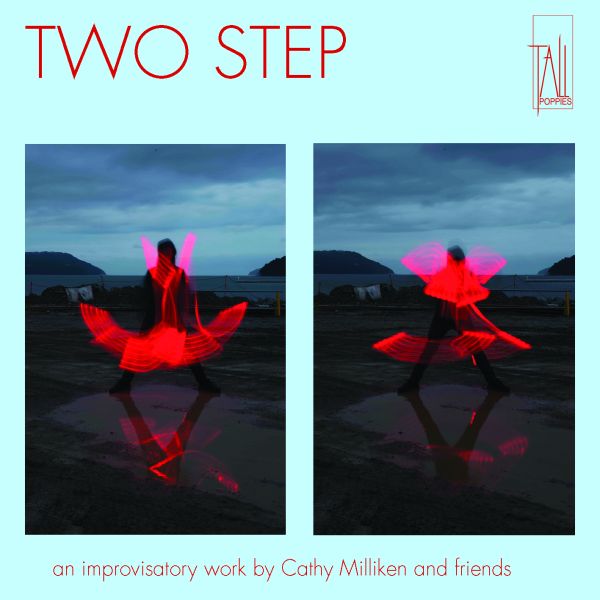
A collaborative recording initiated by Cathy Milliken, bringing together composers and performers from different musical backgrounds in a collage of composed material, improvisation and sound-based exploration. The album reflects Milliken’s interest in dialogue between contemporary composition, experimental practice and personal sonic storytelling.
Tall Poppies Records, 2020
tracklist + line up
- Two Step – Part I
- Two Step – Part II
- Two Step – Part III
- Two Step – Part IV
- Two Step – Part V
Oboe, voice — Cathy Milliken
Didjeridu — William Barton
Violin — Yael Berolsky
Duduk — Sören Birke
Organs, voice — Julian Day
Viola, voice — Brett Dean
Field recordings — Karen Power
Percussion — Vanessa Tomlinson
Clarinet, bass clarinet — Carol Robinson
Voice — Michael Schiefel
Bowed percussion — Robyn Schulkowsky
Flute, bass flute — Dietmar Wiesner
Sheng — Wu Wei
2019
No Half Measures – Thärichens Tentett
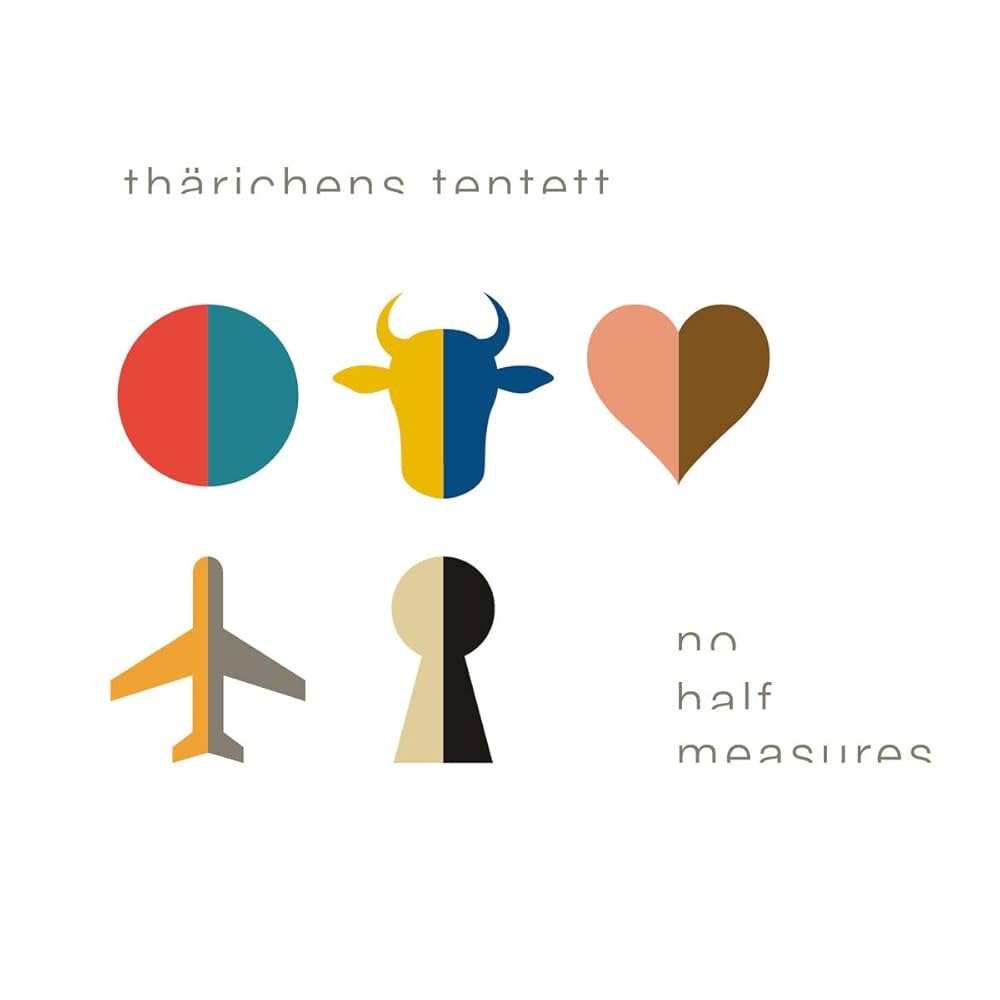
With No Half Measures, Nicolai Thärichen takes a different compositional approach than on earlier Tentett recordings. Instead of building the music primarily from his own concepts, the album grew out of a participatory idea: each musician in the ensemble was invited to contribute material, ideas or musical impulses.
The project became both a musical and personal gesture — a way of acknowledging the long-standing collaboration within the band and writing pieces shaped by the individual voices of its members. As a result, the music reflects the ensemble itself more directly than before: distinctive instrumental colours, personal phrasing and collective interplay move to the foreground.
True to Thärichen’s writing, the arrangements remain finely detailed and structurally clear, yet the focus here is less on concept as abstraction and more on the shared sound of the group. No Half Measures thus presents the Tentett as a mature, cohesive ensemble whose identity emerges not only from composition, but from long-term musical relationships.
tracklist + line up
- Ich Hab Dir Heut Ein Grab Gekauft
- No Half Measures
- Love So Strange
- Tilda Eats Chickpeas
- Mama (Still Christa)
- Riders On The Storm
- Max
- Where She Waits
- Paperback Writer
- Choral
- Moon River
- Giant Leap For Mankind
- Dream Of Now
Alto Saxophone, Clarinet – Jan von Klewitz
Baritone Saxophone, Bass Clarinet – Nikolaus Leistle
Bass – Andreas Henze
Bass, Electric Bass – Johannes Gunkel
Drums – Kai Schönburg
Flute, Tenor Saxophone – Andreas Spannagel
Guitar – Kai Brückner
Piano, Electric Piano – Nicolai Thärichen
Trombone – Simon Harrer
Trumpet, Flugelhorn – Sven Klammer
Vocals – Michael Schiefel
2018
Hollywood Songbook – Wood&Steel Trio feat. Michael Schiefel
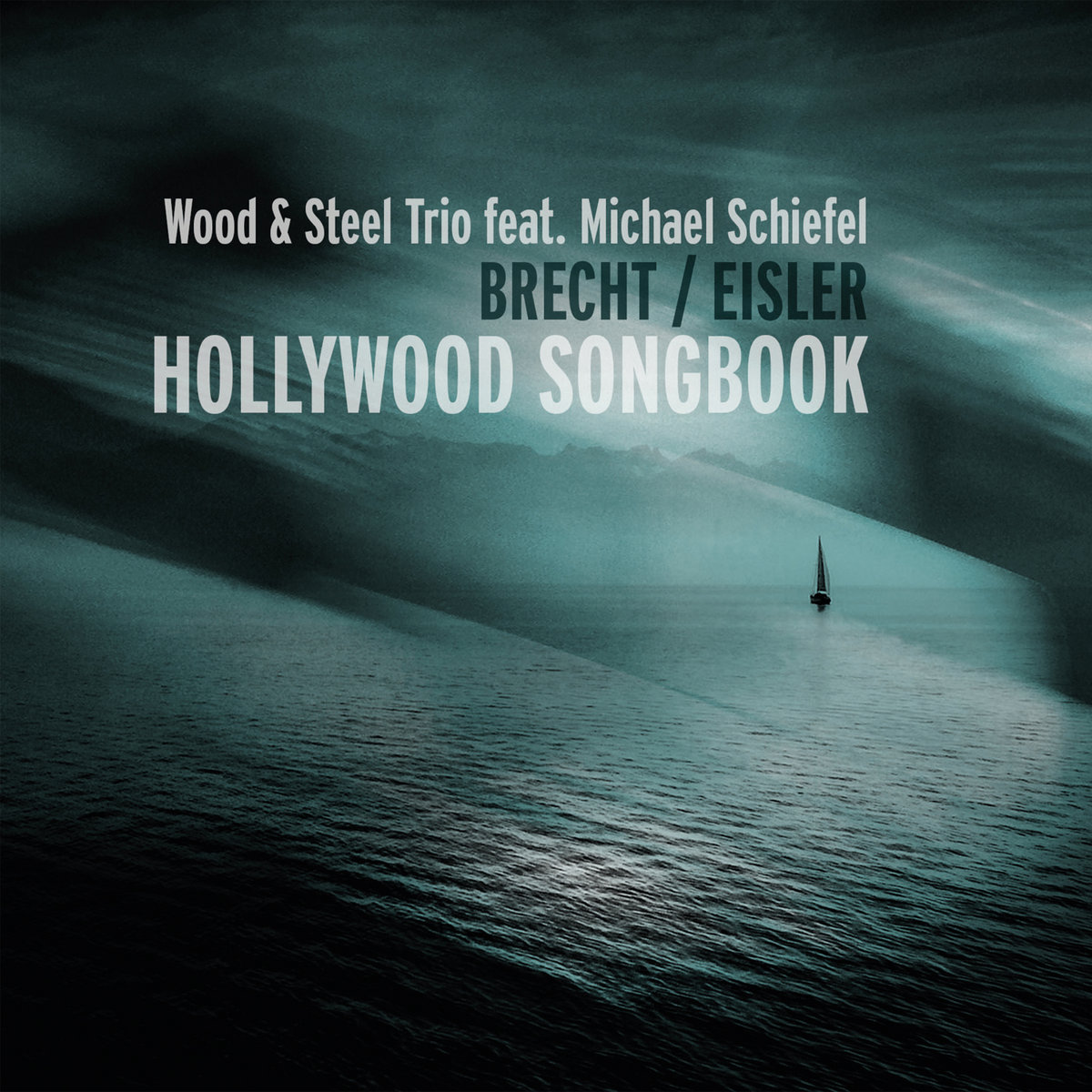
The idea for Hollywood Songbook developed gradually over several years. Michael Schiefel had long been drawn to Hanns Eisler’s cycle, but early attempts to approach the material in a jazz context revealed how delicate the balance between improvisation and fidelity to the original songs could be.
Encounters with musicians from different backgrounds shaped the eventual concept: pianist Hans Lüdemann first sparked the exploration of the repertoire, while later sessions with classical pianist Erik Schneider helped illuminate the precision and clarity inherent in Eisler’s writing. The decisive step came through bassist Marc Muellbauer, who proposed arranging the songs for his Wood & Steel Trio — a chamber-like instrumentation of bass, dobro, vibraphone and marimba.
This reduced ensemble opened a new space for the music: the arrangements preserve the transparency and gravity of Eisler’s songs while allowing room for improvisation and contemporary textures. The result is an interpretation that treats the material both respectfully and freely, placing Schiefel’s voice within a sound world that is intimate, precise and exploratory.
tracklist + line up
- Der Kirschdieb
- Der Sohn II
- Frühling
- Ostersonntag
- In den Weiden
- Tableau I
- Auf der Flucht
- Zwei Lieder nach Worten von Pascal
- Udon Waltz
- Hotelzimmer 1942
- Die Maske des Bösen
- Die Flucht
- Hollywood-Elegie Nr. 7
- Über den Selbstmord
- Adrenalin
- Der Schatzgräber
- Tableau II
- Speisekammer 1942
- Nightmare
- Tableau III
- Jeden Morgen, mein Brot zu verdienen (III aus Fünf Elegien)
- Die Heimkehr
- Spruch
- Vom Sprengen des Gartens
- An den kleinen Radioapparat
Voice – Michael Schiefel
Vibraphone, Marimba – Roland Neffe
Bass – Marc Muellbauer
Dobro – Christian Kögel
2014
Platypus Trio
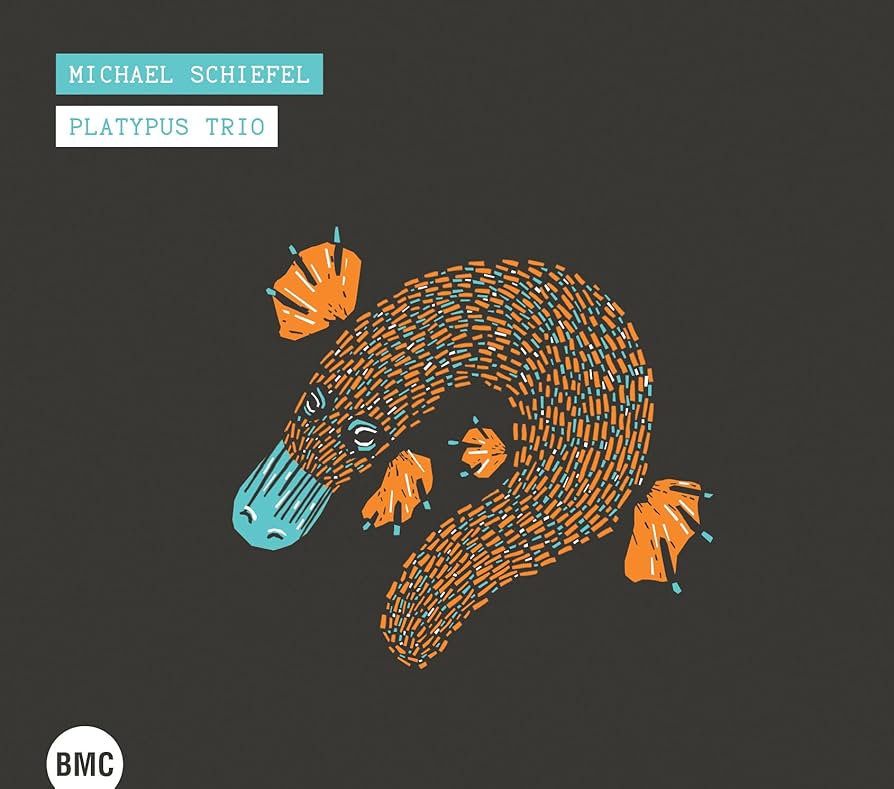
Platypus Trio holds a special place in Michael Schiefel’s discography. All compositions were written specifically for this project, bringing together three strong musical personalities whose shared curiosity shaped the sound of the album. The music moves fluently between composed structures and open improvisation, creating a chamber-like setting in which voice, cello, and cimbalom interact with unusual transparency and depth. The result is a sonic world that is both intimate and exploratory, balancing narrative clarity with spontaneous invention (->Platypus Trio).
tracklist + line up
- Listen!
- Platypus Dancing
- Platypus on the Beach
- Platypus Meditation
- Platypus Swimming
- Dreamtime Platypus
- Platypus Happy
- The Home of the Platypus
Voice, Electronics – Michael Schiefel
Cello, Electronics – Jörg Brinkmann
Cimbalom – Miklós Lukács
2012
An Berliner Kinder – Thärichens Tentett
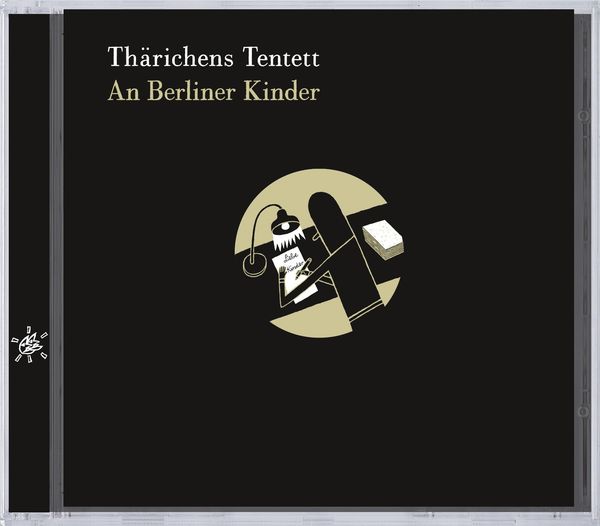
With An Berliner Kinder, Nicolai Thärichen’s Tentett turns to German-language literary sources, centering on texts by Joachim Ringelnatz and Hugo Ball alongside a small number of additional pieces. Thärichen’s compositions place these poems in a vocal and ensemble setting that combines precise writing with improvisational openness. The album continues the Tentett’s exploration of text-driven concepts while emphasizing the rhythmic and tonal qualities of the German language itself.
Double Moon Records 2012
tracklist + line up
- Deutsch
- An Berliner Kinder
- Aus
- Schlafe, Mein Liebster
- König Bei Nacht
- Der Schizophrene
- Abschied
- Ferngruß Von Bett Zu Bett
- Totenklage
- Genau Besehen
- An M.
- Seepferdchen Und Flugfische
Voice – Michael Schiefel
Piano – Nicolai Thärichen
Alto, Soprano Saxophone, Clarinet – Jan von Klewitz
Baritone Saxophone, Bass Clarinet – Nikolaus Leistle
Tenor Saxophone, Flute – Andreas Spannagel
Trumpet, Flugelhorn – Sven Klammer
Trombone – Sören Fischer
Guitar – Kai Brückner
Double Bass – Johannes Gunkel / Pepe Berns
Drums – Kai Schönburg
2011
Ostkreuz – JazzIndeed w/ Michael Schiefel

With Ostkreuz, JazzIndeed returns to a more collective working approach, with compositions contributed by several members and developed through joint arranging. The album reconnects with the ensemble’s earlier collaborative roots while still carrying traces of the band’s engagement with pop material, reflected in a few German- and English-language songs. Framed by titles that evoke places and movements through Berlin, the record captures the group’s long-standing interplay between composition, improvisation, and shared sound.
A-Jazz 2011
tracklist + line up
- Berlin
- Auf’m Dorf
- Die Letzte U-Bahn Geht Später
- Heroes
- Ringbahn
- Imchen
- Nightbus
- Ostkreuz
- Vilshofen
- Watersong
- I Don’t Belong
- Untitled
Voice, Electronics – Michael Schiefel
Piano, Keyboards – Bene Aperdannier
Saxophone – Jan von Klewitz
Double Bass – Paul Kleber
Drums, Percussion – Rainer Winch
Tribute to Marley – Cool Runnings Orchestra
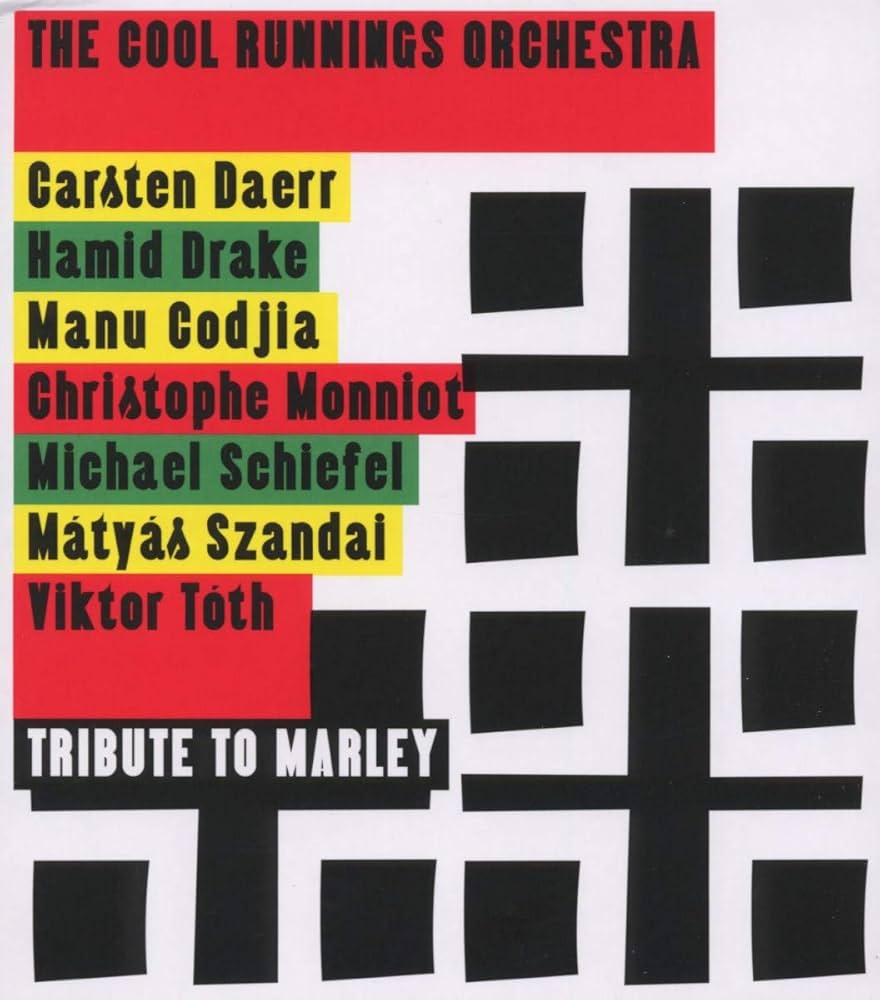
This recording presents the Cool Runnings Orchestra’s interpretations of songs by Bob Marley, translating his repertoire into a setting shaped by jazz improvisation and ensemble arranging. The album brings together musicians from different backgrounds, allowing the material to unfold between groove-oriented structures and more open instrumental interaction. It stands as a snapshot of the group’s approach to revisiting well-known songs through a collaborative, jazz-informed lens.
tracklist + line up
- Is This Love
- Could You Be Loved
- No Woman No Cry
- Rastaman Frustration
- Jammin’
- Nap-nap
- Redemption Song
- Natural Mystic
- Is This Love (Unplugged)
Voice, Electronics – Michael Schiefel
Piano, Organ, Electric Piano, Melodica – Carsten Daerr
Guitar – Manu Codjia
Double Bass – Mátyás Szandai
Drums – Hamid Drake
Alto Saxophone – Viktor Tóth
Alto, Baritone, Sopranino Saxophones – Christophe Monniot
2010
My Home Is My Tent – Michael Schiefel (solo)
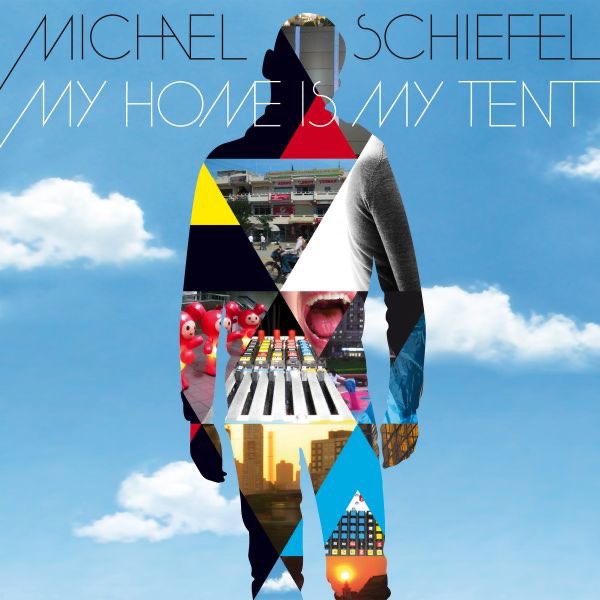
My Home Is My Tent continues Michael Schiefel’s voice-only solo work while placing it in a clear conceptual frame shaped by travel, mobility, and the experience of cities. Each piece reflects a place or journey, often indicated through airport codes, linking personal impressions with sonic exploration. Created entirely from layered and transformed vocal material, the album combines conceptual coherence with the open, playful approach characteristic of Schiefel’s solo work.
tracklist + line up
- My Home Is My Tent
- TLV
- KHI
- BOS / Benjamin
- DME
- I’m Guilty Now
- HKG
- EWR / Dave
- SFO
- TXL / Back in Berlin
- FUN
- TLL
Voice – Michael Schiefel
Boys Don’t Cry – Michael Schiefel (solo)
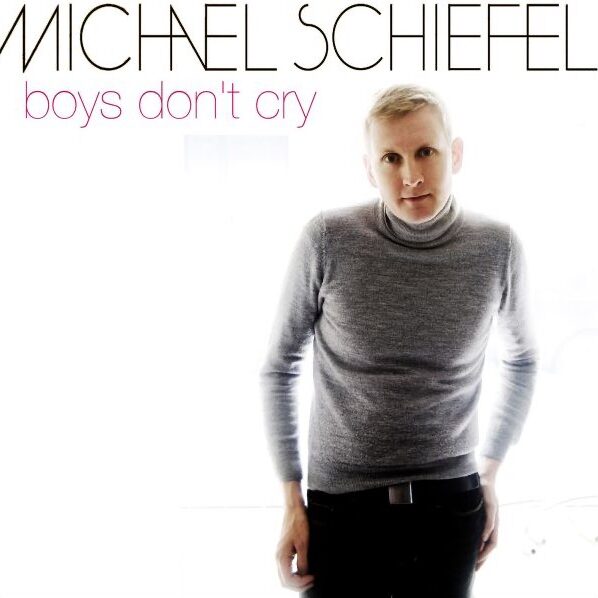
Schiefel’s version of Boys Don’t Cry grew out of his live repertoire, where the song had become a regular feature over the years. As the cover never found its place on an album, it was eventually released as a standalone online single. The recording reflects his affinity for the original while translating it into his own vocal-centered performance language (->solo).
tracklist + line up
- Boys Don’t Cry
Voice – Michael Schiefel
Gondellied in the Sahara – Schiefel, Daerr, Lukács, Szandai
Gondellied in the Sahara grew out of an invitation from BMC to record a duo album with pianist Carsten Daerr. Once in Budapest, the encounter with cimbalom player Miklós Lukács and bassist Mátyás Szandai led spontaneously to a quartet recording instead. The album captures this collaborative moment, shaped by Lukács’ distinctive voice — rooted in the Hungarian cimbalom tradition yet deeply informed by jazz improvisation — and by the ensemble’s shared interest in blending chamber textures with open interaction.
tracklist + line up
- Manila
- Tea In The Sahara
- Talk To Me
- Präludium No. 3
- Standard Without Words
- Baby Levi
- Out Of Nowhere
- Gordon Matthew
- Dunes On Piazza San Marco
- Gondellied
- Boys Don’t Cry
- Kinderstück
Voice – Michael Schiefel
Piano, Organ – Carsten Daerr
Cimbalom – Miklós Lukács
Double Bass – Mátyás Szandai
2009
Farewell Songs – Thärichens Tentett
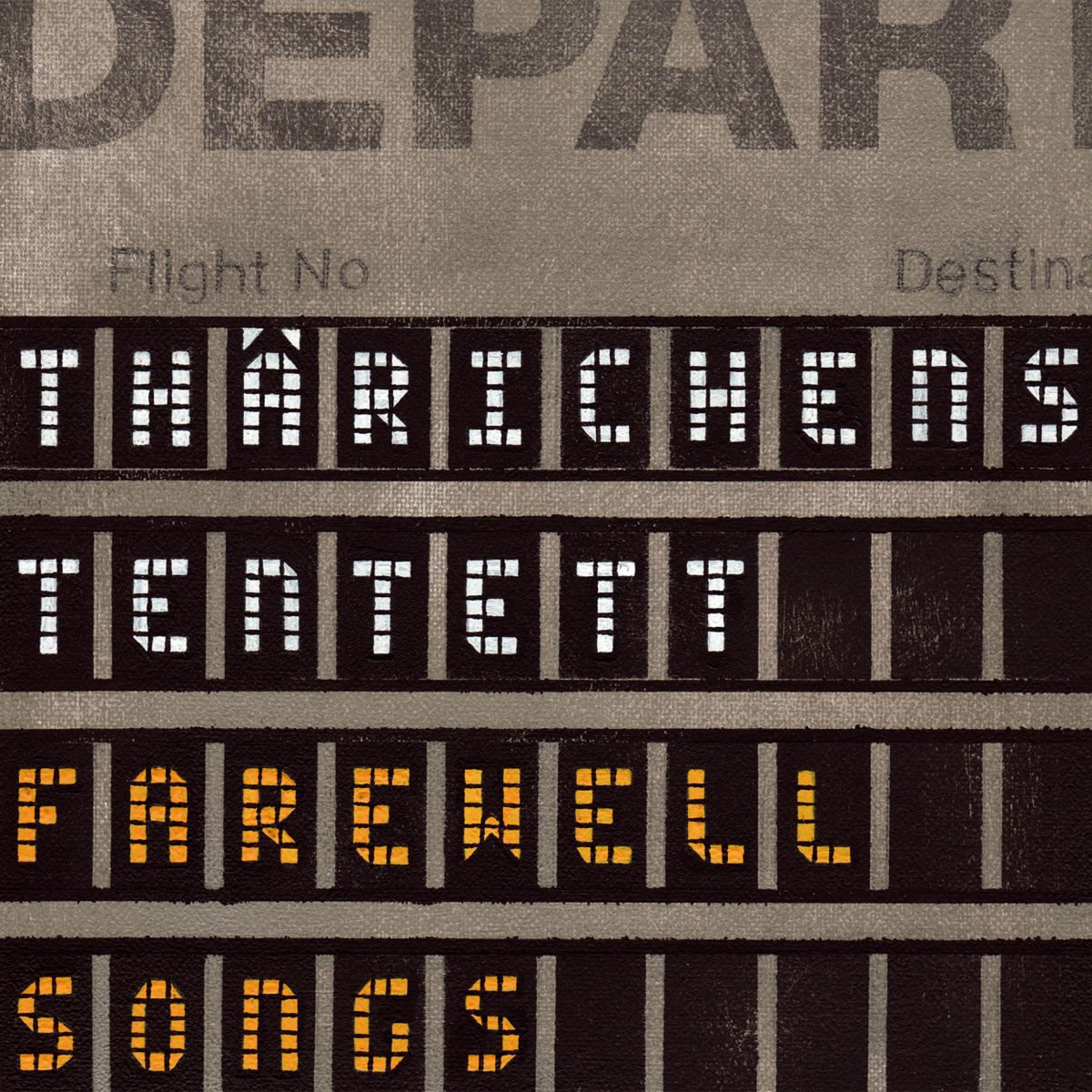
Farewell Songs, the fourth album of Thärichens Tentett, revolves around the idea of departure in its many forms — loss, change, and renewal.
Drawing on texts by writers such as Ronald D. Laing and Dorothy Parker, Nicolai Thärichen shapes a musical language that moves between chamber-like intimacy and the dramatic breadth of a small big band. At the center stands Michael Schiefel’s voice, guiding the listener through these shifting landscapes with lyrical precision and expressive freedom.
Rather than dwelling on endings, Farewell Songs unfolds as music of transition — reflective, intense, and open toward what comes next.
tracklist + line up
- Up To My Neck In You
- I – Waltz For My Father
- II – Strange Bells
- III – If
- On Being A Woman
- This Time
- Unadored
- The Last Day Of My Youth
- I Can See It In Your Eyes
- Nightfall
Voice – Michael Schiefel
Piano – Nicolai Thärichen
Alto Saxophone, Soprano Saxophone, Clarinet – Jan von Klewitz
Baritone Saxophone, Bass Clarinet – Nikolaus Leistle
Tenor Saxophone, Flute – Andreas Spannagel
Trumpet, Flugelhorn – Sven Klammer
Trombone – Sören Fischer
Guitar – Kai Brückner
Double Bass – Johannes Gunkel / Pepe Berns
Drums – Kai Schönburg
2008
NAJA – North Atlantic Jazz Alliance
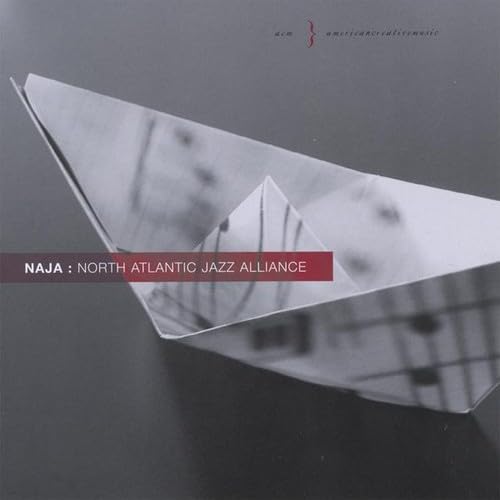
North Atlantic Jazz Alliance (NAJA) brings together German and American jazz musicians in a transatlantic ensemble initiated by pianist Markus Burger. The project combines strong individual voices with a shared language rooted in modern jazz, chamber interplay, and improvisation. The recording captures the band’s collaborative spirit, moving between lyrical passages, groove-based sections, and open improvisational dialogue, while highlighting the distinct compositional voices within the group.
CD Baby 2008
tracklist + line up
- Kalimba
- River Child
- Bangkok Bop
- Beginning of a Love Affair
- Bonk
- Night Flight
- The Truth Is Spoken Here
- Mr. In-Between
piano — Markus Burger
trombone — Jim Linahon
drums — Paul Kreibich
bass — Marshall Hawkins
trumpet — Bill Yeager
alto saxophone — Jan von Klewitz
voice — Michael Schiefel
2006
Don’t Touch My Animals – Michael Schiefel (solo)
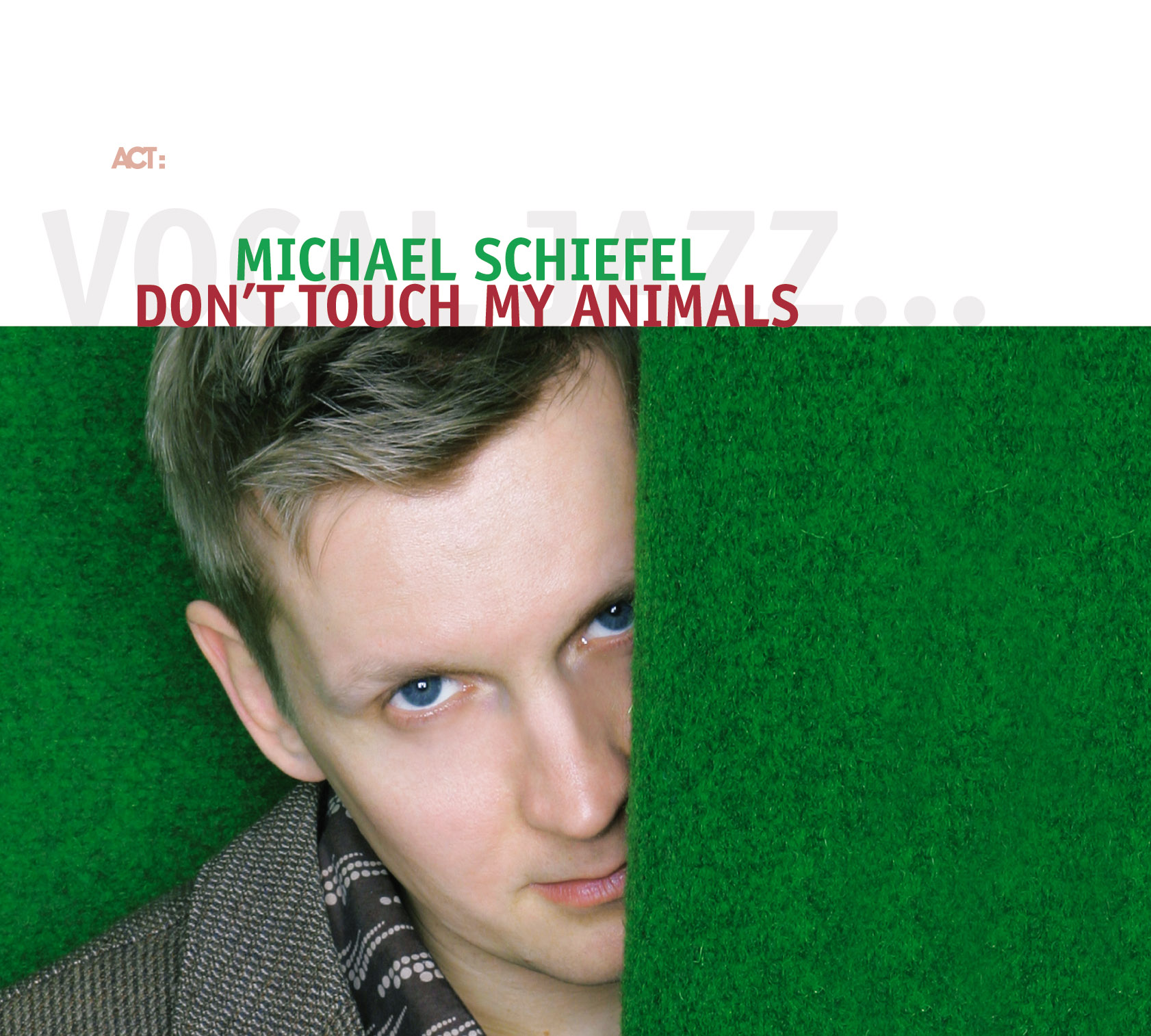
Don’t Touch My Animals continues Michael Schiefel’s solo work created entirely from recorded vocal material, shaped and layered in the studio but without additional instrumental sources. In contrast to the darker and more introspective tone of I Don’t Belong, this album presents a lighter and more song-oriented side of his solo approach, favoring playful textures, rhythmic clarity, and accessible melodic writing. It captures a phase in which the voice-based production method opens toward a more open and upbeat character.
tracklist + line up
- My Animals
- Aufm Dorf Und Inner Stadt
- Walking
- Deutsch
- Do The Rumba
- Mann Und Mann
- Just A Little Me
- Waiting For You
- Being Lonely
- Be My Toy, Be My Joy
- Matthew
- Im Winter
- Apple Pie Queen
- Watersong
Voice, Electronics – Michael Schiefel
2005
Grateful – Thärichens Tentett
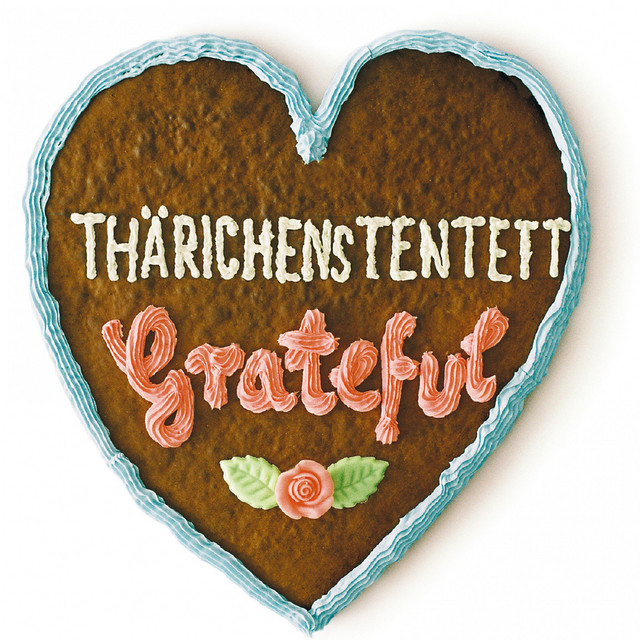
With Grateful, Nicolai Thärichen’s Tentett adopts a more clearly defined concept, setting poems by the British psychiatrist R. D. Laing to music. Thärichen’s compositions translate these texts into a sung framework that combines literary reflection with the ensemble’s established balance between arrangement and improvisation.
Minor Music 2005
tracklist + line up
- Peace Of Mind
- Give Your Heart A Break
- Keep It To Yourself
- Tell Me That You Love Me Still
- Hold Me Fast
- Grateful
- Kitty
- How High The Moon – Song Of My Heart
- My Here And Now
- Duet For One
- All Gone Now
- Why
Voice – Michael Schiefel
Piano, Composition – Nicolai Thärichen
Alto Saxophone, Soprano Saxophone, Clarinet – Jan von Klewitz
Tenor Saxophone, Flute – Andreas Spannagel
Baritone Saxophone, Bass Clarinet – Nikolaus Leistle
Trumpet, Flugelhorn – Sven Klammer
Trombone – Sören Fischer
Guitar, Banjo – Kai Brückner
Double Bass – Johannes Gunkel
Drums – Kai Schönburg
Blaue Augen – JazzIndeed with Michael Schiefel

Blaue Augen is the first JazzIndeed release on ACT and presents the band’s reinterpretation of songs from the Neue Deutsche Welle and German pop of the 1980s. Working with a largely continuous core of collaborators, the ensemble translates this repertoire into its own jazz-based language, combining arranged material, improvisation, and electronic elements. The album marks a conceptual turn toward working with existing pop material while remaining rooted in the group’s established sound.
tracklist + line up
- Fahrn, Fahrn, Fahrn Auf Der Autobahn
- Blaue Augen
- Urlaubsflirt
- Alles Lüge
- Feuerzeug
- Andy Warhol
- Goldener Reiter
- Inflation Im Paradies
- Hotel Garni
- Jens
- Queen Margarethe
- Deja Vu
Voice, Electronics – Michael Schiefel
Alto Saxophone – Jan von Klewitz
Piano, Keyboards – Benedikt Aperdannier
Double Bass – Paul Kleber
Drums, Percussion – Rainer Winch
2003
Gay – Michael Schiefel
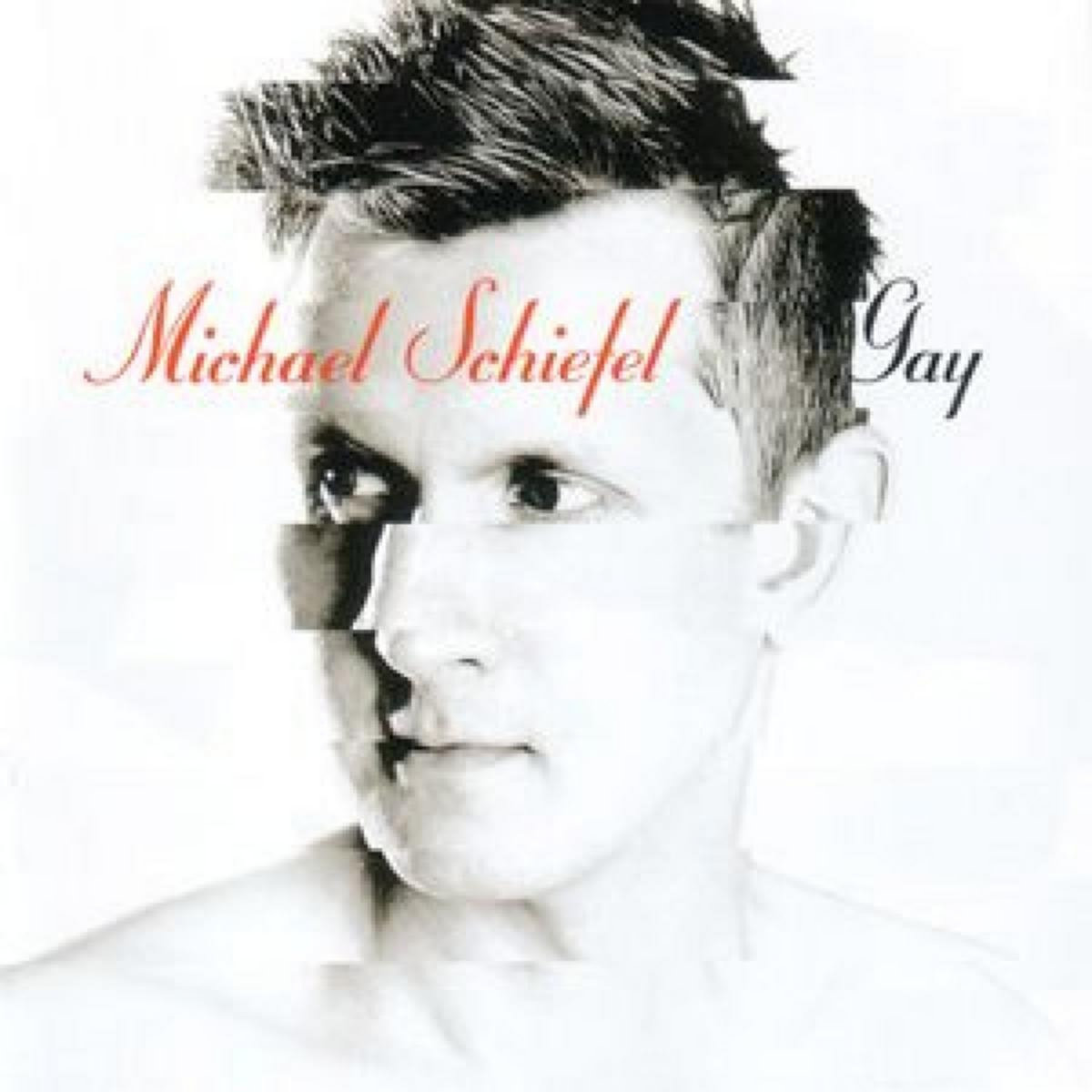
Recorded shortly after Schiefel met his partner Max, Gay brings together a program of love songs drawn from jazz repertoire and pop music of the time. Performed with guitarist Christian Kögel and pianist/electronics player Andreas Schmidt, the album places familiar material in an intimate trio setting shaped by voice, harmonic space, and subtle electronic textures. Pieces like Bein’ Green function as quiet reflections on difference and identity, giving the selection a personal thread beyond stylistic boundaries (->Gay Trio).
tracklist + line up
- Live for Life
- I Must Have That Man
- Blow Top Blues
- You’re Breaking in a New Heart
- Glory Box
- Bein’ Green
- The Thrill Is Gone
- Get Happy
- You Are Too Beautiful
- Marina (The Good Life)
Voice, Electronics – Michael Schiefel
Piano, Electronics – Andreas Schmidt
Guitar – Christian Kögel
The Thin Edge – Thärichens Tentett
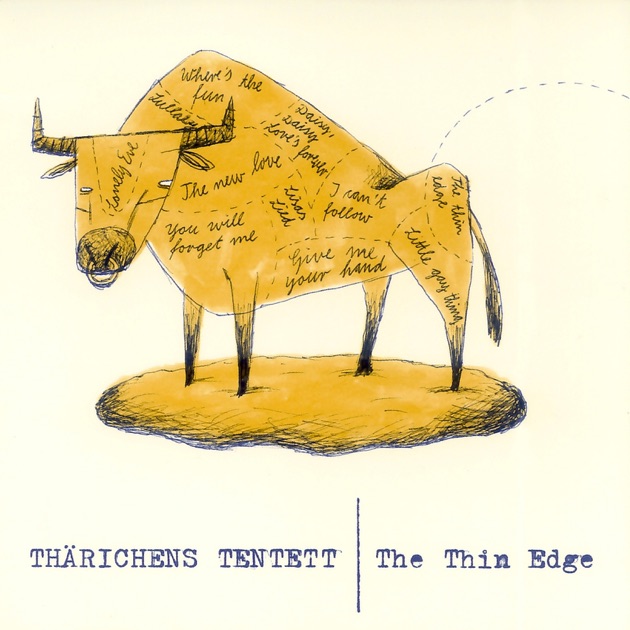
The Thin Edge continues the early phase of Nicolai Thärichen’s Tentett, presenting a collection of songs rather than a unified thematic concept. The album further refines the ensemble’s balance between composed material and improvisational space, while exploring a broad emotional and stylistic range. It documents the group before the later Tentett releases began to focus more explicitly on overarching concepts.
Minor Music 2003
tracklist + line up
- The Thin Edge
- Little Gay Thing
- Lisas Lied
- The New Love
- Daisy, Daisy
- Lonely Eve
- Where’s the Fun
- You Will Forget Me
- I Can’t Follow
- Give Me Your Hand
- Lullaby
Voice – Michael Schiefel
Piano, Composition – Nicolai Thärichen
Alto Saxophone, Soprano Saxophone, Clarinet – Jan von Klewitz
Tenor Saxophone, Flute – Andreas Spannagel
Baritone Saxophone, Bass Clarinet – Claas Willeke
Trumpet, Flugelhorn – Sven Klammer
Trombone – Sören Fischer
Guitar – Kai Brückner
Double Bass – Johannes Gunkel
Drums – Kai Schönburg
Guest, Cello – Friedrich Paravicini (tracks 1, 10)
Arabesque – Batoru
Arabesque continues the collaboration initiated on Batoru’s first album, again bringing together musicians from Germany and Bulgaria around Dirk Strakhof’s compositions. The record further develops the ensemble’s blend of Balkan-influenced rhythmic language and contemporary jazz textures, balancing written structures with improvisation. It captures the group in an ongoing phase of shared musical exploration.
tracklist + line up
- My Temple
- Dogs From Afar
- Kriv Sadovsko
- Donau
- Kite
- Holland
- Home
- Close To The Black Sea
- Heat
- At Last
Voice – Michael Schiefel
Accordion – Peter Ralchev
Vibraphone, Marimba – Franz Bauer
Double Bass – Dirk Strakhof
Percussion – Stoyan Yankoulov
2001
Lady Moon – Thärichens Tentett
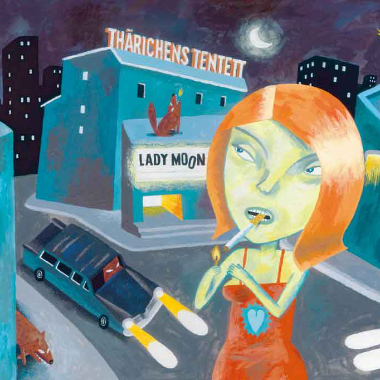
Lady Moon is the first release by Niki Thärichen’s Tentett, an ensemble that grew out of his long-standing collaboration with Michael Schiefel and his interest in writing for larger formations. Rather than following a single concept, the album brings together a range of compositional approaches developed by Thärichen up to that point, forming a kind of snapshot of his musical language in transition. The record introduces the sound world that would shape the Tentett’s subsequent work.
Minor Music 2001
tracklist + lineup
- Song To Aurore
- When We Two Walked
- Lady Moon
- One Of Us Two
- She Opened The Door
- We’ll Go No More A-Roving
- Like The Touch Of Rain
- I Can Tell
- No. 4
- Too Late
- Sunken Boat
- Out Of The Blue
Voice – Michael Schiefel
Piano, Composition – Nicolai Thärichen
Alto Saxophone, Clarinet – Jan von Klewitz
Tenor Saxophone, Flute, Alto Flute – Andreas Spannagel
Baritone Saxophone, Bass Clarinet – Claas Willeke
Trumpet, Flugelhorn – Nils Wülker (tracks 1, 5, 11, 12)
Trumpet, Flugelhorn – Sven Klammer (tracks 2–4, 6–10)
Trombone – Sören Fischer
Guitar – Kai Brückner
Double Bass – Johannes Gunkel
Drums – Kai Schönburg
2000
I Don’t Belong – Michael Schiefel (solo)
Michael Schiefel’s second solo album continues his exploration of voice-based production and layered vocal composition, again working exclusively with recorded vocal material. While the earlier solo release explored the possibilities of this approach, I Don’t Belong turns inward, reflecting a darker and more introspective phase. The album presents the voice not only as a sonic resource but as a medium for emotional and psychological states.
tracklist + line up
- A Delicate Atmosphere
- In the Theatre
- I Have Nothing to Say
- So I Better
- Shut Up
- On the Highway
- Remember
- I Don’t Belong
- Breathe
- In the City
- It’s Time for a Change
- Synchronicity
- There Are So Many
- Things to Do
Voice, Electronics – Michael Schiefel
Tree of Sounds – Batoru

Tree of Sounds is the first album by composer Dirk Strakhof’s ensemble Batoru, bringing together musicians from Germany and Bulgaria in a project shaped by Strakhof’s compositions. Drawing on rhythmic and melodic references to Balkan traditions while remaining rooted in contemporary jazz practice, the record explores a shared sound between written material and improvisation. The collaboration introduced Schiefel to accordionist Peter Ralchev and percussionist Stoyan Yankoulov, whose presence strongly influences the album’s character.
tracklist + line up
- Oriental Line
- Mawdo
- Zagreb
- Slow Dark
- Refugees
- Right Shoes
- Time For The Tupan
- Katinka’s Ballad
- Bouché
- Jimmy
Voice – Michael Schiefel
Accordion – Peter Ralchev
Vibraphone, Marimba – Franz Bauer
Double Bass – Dirk Strakhof
Percussion, Tupan – Stoyan Yankoulov
1999
Dissonant Quartet – Mozart Variations
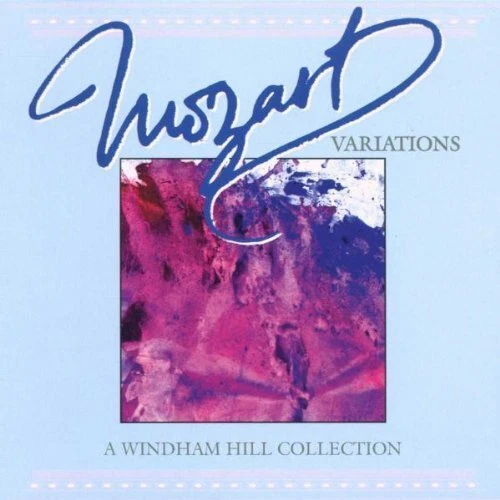
For this Windham Hill compilation, Traumton was invited to contribute a new perspective on Mozart, and Michael Schiefel responded with a vocal adaptation of the introduction to the so-called “Dissonant Quartet.” The piece focuses on Mozart’s unusually bold harmonic language, which Schiefel reworks as a voice-centered interpretation built around its shifting chord progressions. The result is a single-track contribution that treats the classical source as material for contemporary vocal exploration (->Solo).
Windham Hill 1999
tracklist + line up
- Dissonant Quartet
Voice, Electronics – Michael Schiefel
Symphonie aus der wilden Welt – Claas Willeke und Danda Cordes
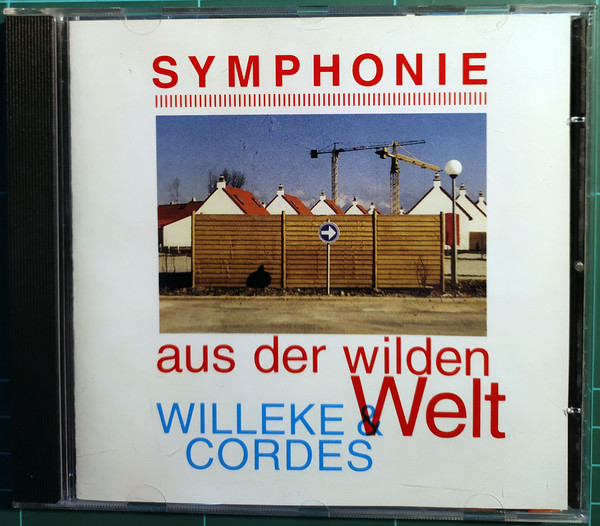
This large-scale collaborative project brought together musicians, sound artist Sam Auinger, and visual elements in a performance-oriented production shaped by the interdisciplinary event culture of the late 1990s. Conceived by Claas Willeke and Daniel Cordes, Symphonie aus der wilden Welt combines composed material, ambient soundscapes, spoken and sung voice, and live electronics. The work reflects a moment when concert, installation, and multimedia staging increasingly overlapped.
Zerozero 1999
tracklist + line up
Concept, Composition, Reeds – Claas Willeke
Concept, Composition, Double Bass – Daniel Cordes
Samples, Electronics, Soundscapes – Sam Auinger
Voice, Speech, Electronics – Michael Schiefel
Guitar – Dirk Berger
Guitar – Christian Kögel
Drums, Percussion – Martin Fonfara
1998
Who the Moon Is – Jazz Indeed

With Who the Moon Is, JazzIndeed deepens its collective approach to composition and arrangement. The album places greater emphasis on structured writing and dense ensemble textures, while maintaining the interplay between acoustic instruments and electronically extended voice. It documents the group at a point where its musical language becomes more deliberate and formally shaped.
tracklist + line up
- Clouseau
- Coda
- Softache (My Darling Since)
- Port Authority
- Waltz 4
- In A Dream
- Your Little Voice
- Guzzi
- Tefka
- Naxotique
- Pop
Michael Schiefel – Voice, Electronics
Tilmann Dehnhard – Saxophone, Flute
Bene Aperdannier – Piano
Paul Kleber – Double Bass
Rainer Winch – Drums
1996
Under Water – Jazz Indeed
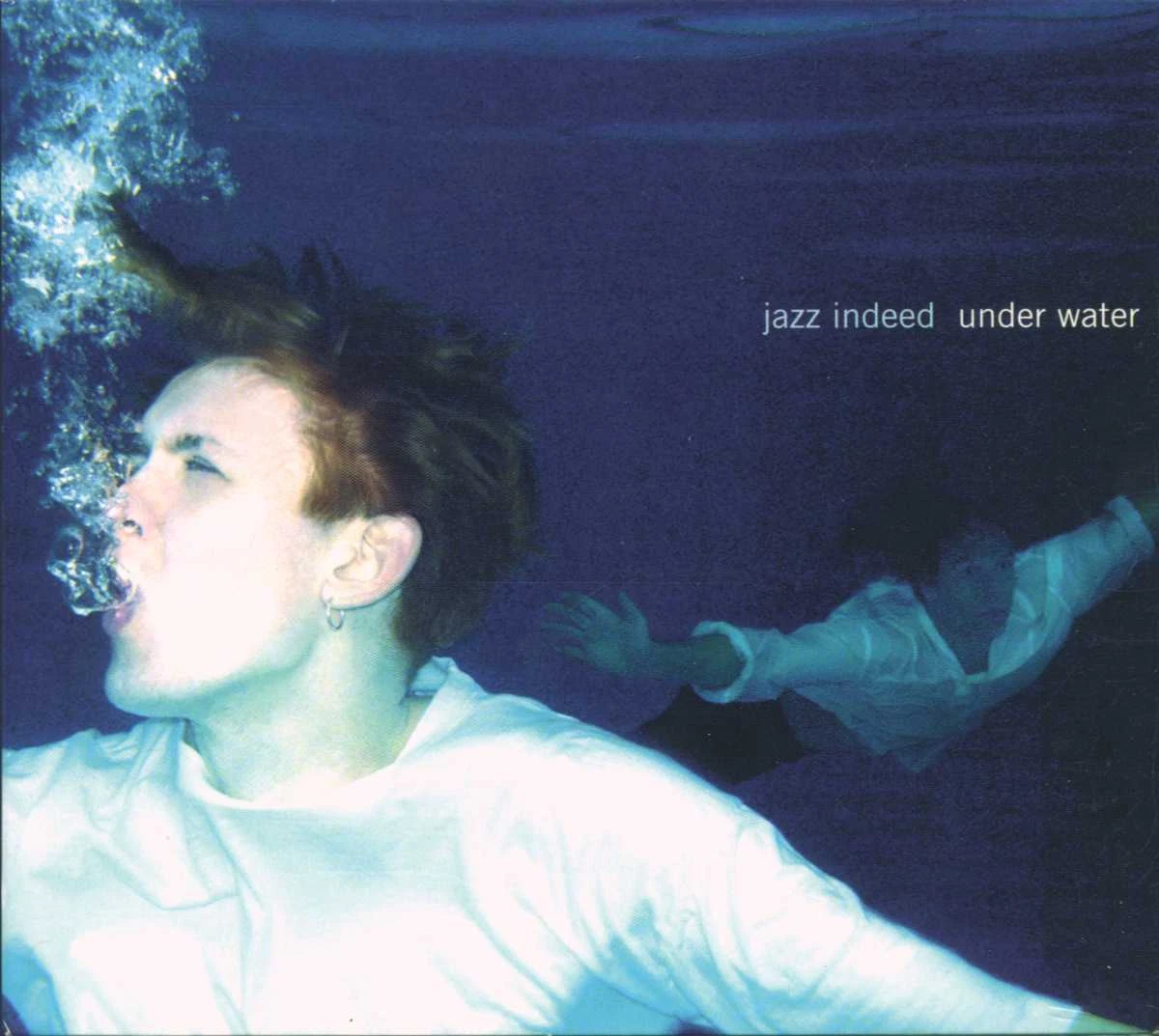
Released in 1996, Under Water documents Jazz Indeed in its original constellation, active since 1993. The album presents exclusively original compositions and reflects the group’s collective approach — rooted in jazz tradition while opening toward individual textures and electronic elements. It captures the atmosphere of a working band with a distinct live identity.
Traumton, 1996
tracklist + line up
- Late Nite
- Der Ägypter
- So Far So Near
- Umsonst Und Draussen
- Funky 94
- Under Water
- Joey
- Summer
- Time Bandits
- Encore
Saxophone, Flute – Tilmann Dehnhard
Voice, Electronics – Michael Schiefel
Piano – Bene Aperdannier
Double Bass – Daniel Cordes
Drums – Rainer Winch
The Invisible Loop – Michael Schiefel Solo
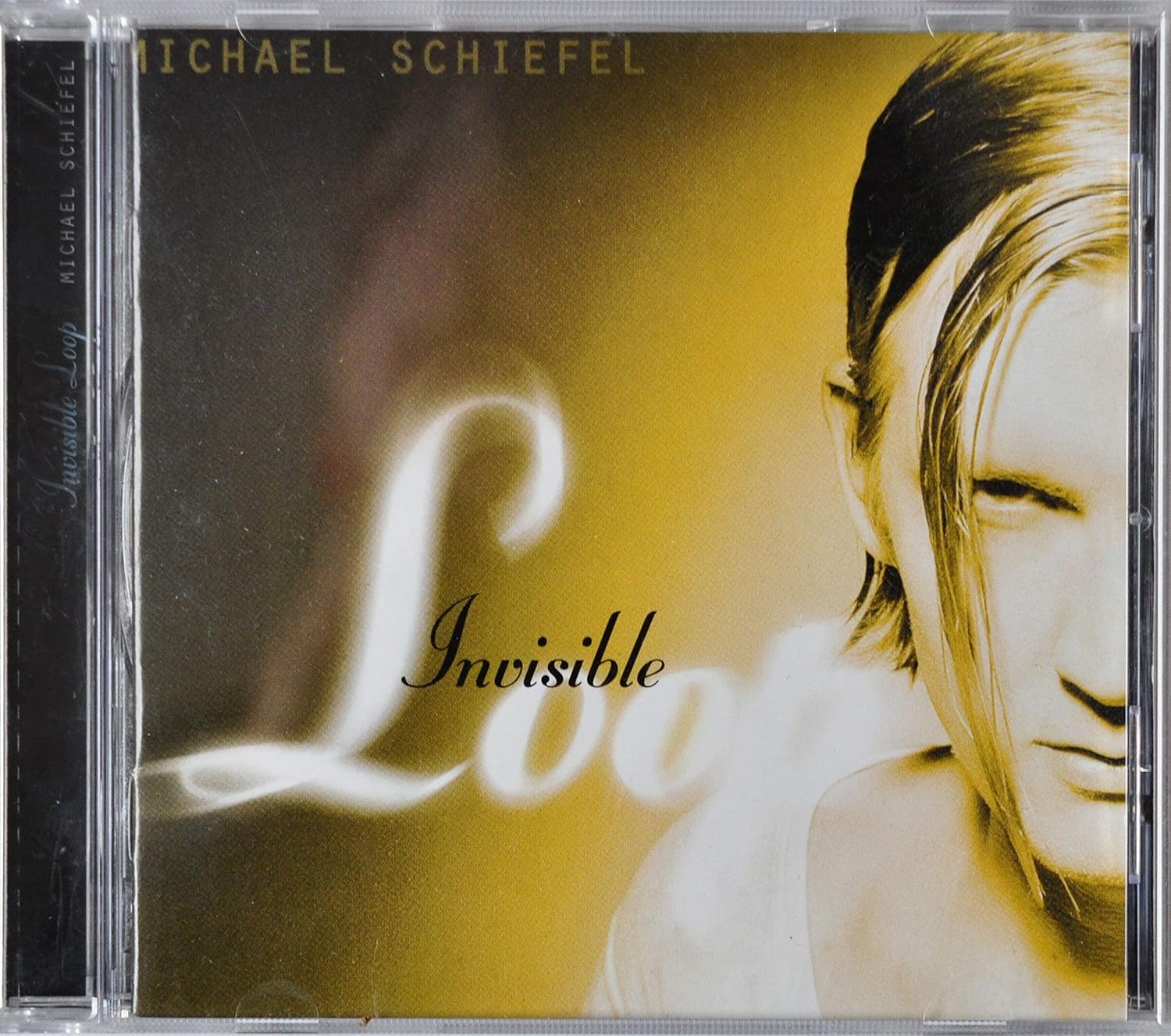
The Invisible Loop is Michael Schiefel’s first solo album and an early exploration of vocal looping and sampler technology. Layering his voice into dense and fragile structures, the record moves between jazz repertoire, original material, and electronically shaped improvisation. It was released together with the CD-ROM The Visible Loop, which offered visual and interactive insight into the looping processes behind the music.
tracklist + line up
- Darn That Dream
- I Want You Back
- Präludium #3
- Naxos
- The Dawn
- Wouldn’t It Be Good
- Yesterdays
- The Stranger
- Mother
- Lenny’s Pennies
- Nightmare In Tunesia
- Walking In Your Footsteps
Voice, Electronics – Michael Schiefel